Farm Baler Knowledge Center · Mini Baler Cluster
Compare tractor power, bale size, crop type, pickup width, tying system, service support and ownership cost before choosing a mini baler. This guide combines field-focused explanations with images, selection advice and links to related baler resources.

A mini baler is a compact hay and forage baling machine designed for farms that need smaller equipment, manageable bale sizes and compatibility with moderate-power tractors. The best choice depends on tractor PTO output, crop volume, bale handling method, field terrain and service support rather than the word mini alone.
- Understanding the mini baler concept
- How a mini baler works in the field
- Tractor matching and PTO requirements
- Key factors for this buying decision
- Bale size, density and handling
- Crop preparation and operating technique
- Common mistakes and how to avoid them
- Maintenance, reliability and parts support
- Buying considerations and total ownership cost
- Practical field checklist
- Frequently asked questions
Understanding the mini baler concept
A mini baler is designed around the same basic goal as a full-size baler: collect prepared forage from a windrow, compress it into a consistent package and secure the finished bale for handling and storage. The difference is scale. Compact machines are intended for farms that value maneuverability, moderate tractor requirements and bales that can be handled with lighter equipment or, in some cases, manually. This makes them attractive to small livestock farms, hobby farms, horse owners, hillside operations and growers who bale relatively small fields where a large commercial machine would be awkward or uneconomical. In the context of how to choose a mini baler, this point matters because selection criteria, farm fit, tractor matching and ownership planning should be evaluated as part of the same farm system. The practical objective is not to maximize one specification but to create a dependable workflow that the tractor, operator and handling equipment can sustain throughout harvest.
The “mini” label should not be interpreted as a guarantee that every model fits every compact tractor. Pickup width, chamber type, bale diameter, tying method, machine weight and recommended PTO power vary significantly. Buyers should therefore treat mini baler as a category rather than a fixed specification. The right approach is to compare the machine with the tractor, the crop and the farm’s handling system. A compact baler that is well matched can be highly productive in its intended environment; a poorly matched model can create plugging, weak bale density or tractor stability problems. In the context of how to choose a mini baler, this point matters because selection criteria, farm fit, tractor matching and ownership planning should be evaluated as part of the same farm system. The practical objective is not to maximize one specification but to create a dependable workflow that the tractor, operator and handling equipment can sustain throughout harvest.
For SEO readers and real buyers alike, the most useful way to understand mini balers is to connect specification with workflow. Bale dimensions affect storage and feeding. Pickup design influences how well the baler follows uneven windrows. PTO demand determines which tractors are realistic partners. Tying reliability determines whether the operator can maintain a steady rhythm. These practical relationships explain why one farm may love a mini baler while another needs a larger round or square machine. In the context of how to choose a mini baler, this point matters because selection criteria, farm fit, tractor matching and ownership planning should be evaluated as part of the same farm system. The practical objective is not to maximize one specification but to create a dependable workflow that the tractor, operator and handling equipment can sustain throughout harvest.
Experienced operators also compare what happens when conditions are less than ideal. Heavy windrows, sudden weather changes, uneven fields and long workdays reveal whether a machine is genuinely well matched. Planning for those realistic conditions usually produces better ownership decisions than relying only on brochure performance under ideal circumstances.
How a mini baler works in the field
Field operation begins with a well-prepared windrow. The tractor moves the baler along the row while the pickup lifts hay, straw or forage into the feeding area. Material is guided into the chamber where repeated movement and chamber resistance build the bale. Once the preset size or density is reached, the machine initiates a tying or wrapping sequence, after which the bale is released. The details vary by machine, but consistent feeding and correct PTO speed remain central to smooth operation. In the context of how to choose a mini baler, this point matters because selection criteria, farm fit, tractor matching and ownership planning should be evaluated as part of the same farm system. The practical objective is not to maximize one specification but to create a dependable workflow that the tractor, operator and handling equipment can sustain throughout harvest.
Operators quickly learn that mini balers reward steady crop flow. Very light windrows may produce uneven filling, while oversized windrows can overload the pickup or create sudden power demand. The best field speed is therefore not simply the fastest speed the tractor can maintain. It is the speed that keeps the chamber filling evenly without repeated surges. Watching the windrow ahead, listening to machine load and observing finished bale shape are practical ways to judge whether the baler is operating in its comfortable range. In the context of how to choose a mini baler, this point matters because selection criteria, farm fit, tractor matching and ownership planning should be evaluated as part of the same farm system. The practical objective is not to maximize one specification but to create a dependable workflow that the tractor, operator and handling equipment can sustain throughout harvest.
Moisture and crop condition also shape performance. Dry, brittle forage can lose leaves during handling, while material that is too wet can create storage risks and heavy, difficult bales. Straw behaves differently from leafy hay, so chamber settings and travel speed may need adjustment when the crop changes. Farmers who treat moisture, windrow preparation and baler settings as one integrated system generally get more uniform bales and fewer interruptions. In the context of how to choose a mini baler, this point matters because selection criteria, farm fit, tractor matching and ownership planning should be evaluated as part of the same farm system. The practical objective is not to maximize one specification but to create a dependable workflow that the tractor, operator and handling equipment can sustain throughout harvest.
Experienced operators also compare what happens when conditions are less than ideal. Heavy windrows, sudden weather changes, uneven fields and long workdays reveal whether a machine is genuinely well matched. Planning for those realistic conditions usually produces better ownership decisions than relying only on brochure performance under ideal circumstances.
Tractor matching and PTO requirements
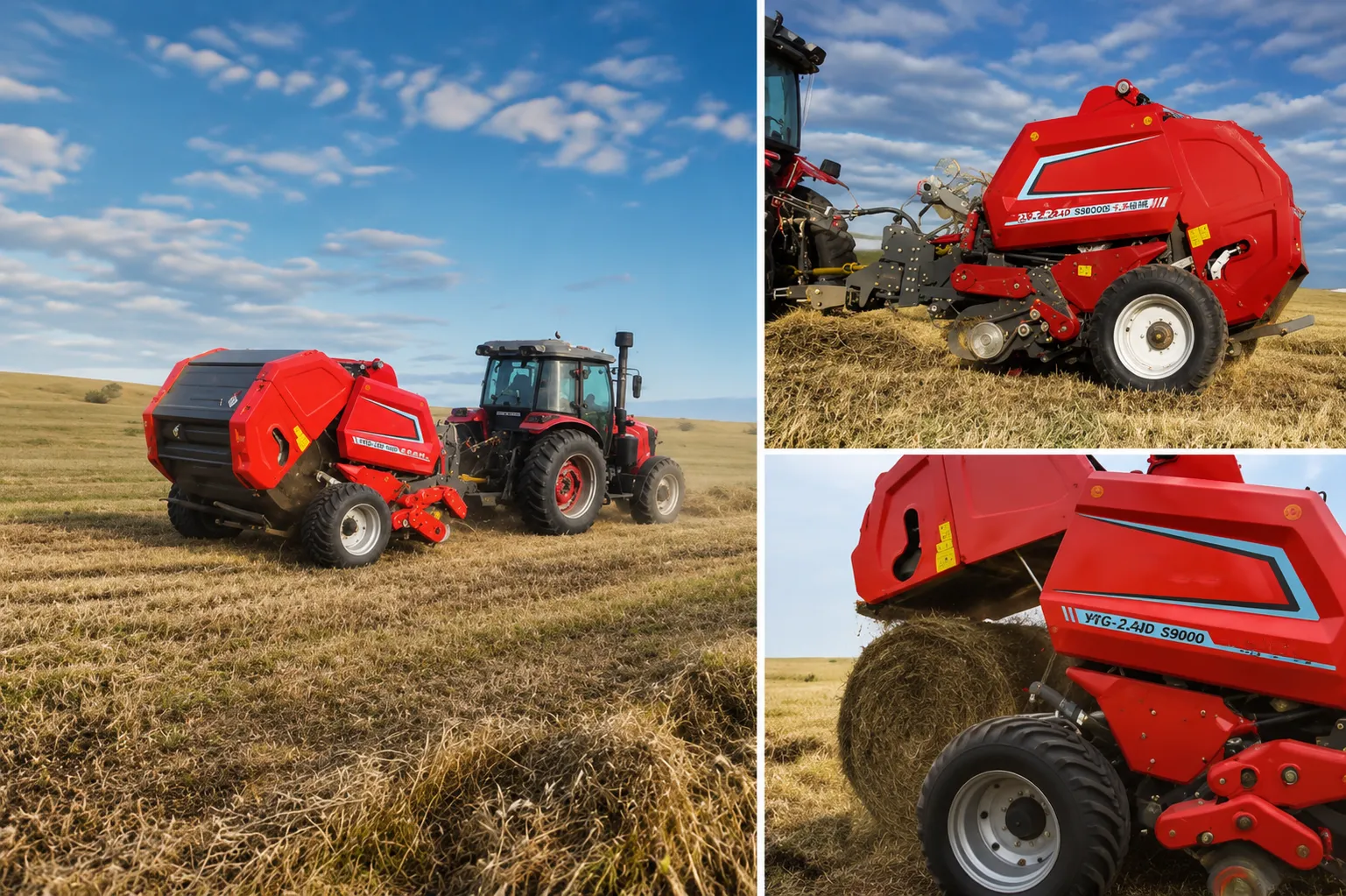
Tractor matching is one of the most important parts of choosing a mini baler. Engine horsepower alone is not enough. The baler is driven primarily through the PTO, so buyers should compare the tractor’s available PTO horsepower with the baler manufacturer’s recommendation. They should also consider tractor weight, wheelbase, braking and stability because a compact tractor can have adequate power yet still feel uncomfortable with a relatively heavy implement on uneven ground. In the context of how to choose a mini baler, this point matters because selection criteria, farm fit, tractor matching and ownership planning should be evaluated as part of the same farm system. The practical objective is not to maximize one specification but to create a dependable workflow that the tractor, operator and handling equipment can sustain throughout harvest.
Field conditions matter when deciding how much power reserve is sensible. A tractor that manages a baler easily on level ground with light hay may struggle in thick windrows, slopes or heavy straw. Using the lowest possible horsepower number as the only buying criterion can therefore be misleading. A modest power margin gives the operator more control, reduces lugging and helps keep PTO speed stable when crop volume changes suddenly. In the context of how to choose a mini baler, this point matters because selection criteria, farm fit, tractor matching and ownership planning should be evaluated as part of the same farm system. The practical objective is not to maximize one specification but to create a dependable workflow that the tractor, operator and handling equipment can sustain throughout harvest.
Hitch geometry and PTO driveline setup also deserve attention. The PTO shaft must have the correct working length and guarding, the drawbar or three-point arrangement must match the machine design, and turning angles should not create driveline stress. Safe, correct setup contributes as much to reliable baling as nominal horsepower does. When in doubt, buyers should provide their tractor model and PTO data to the supplier before ordering. In the context of how to choose a mini baler, this point matters because selection criteria, farm fit, tractor matching and ownership planning should be evaluated as part of the same farm system. The practical objective is not to maximize one specification but to create a dependable workflow that the tractor, operator and handling equipment can sustain throughout harvest.
Experienced operators also compare what happens when conditions are less than ideal. Heavy windrows, sudden weather changes, uneven fields and long workdays reveal whether a machine is genuinely well matched. Planning for those realistic conditions usually produces better ownership decisions than relying only on brochure performance under ideal circumstances.
Key factors for this buying decision
This topic is centered on selection criteria, farm fit, tractor matching and ownership planning. The most effective decision process begins with the farm rather than the machine brochure. Record the crop types, average field size, typical windrow volume, terrain, tractor PTO horsepower, annual bale count and preferred handling method. Those details establish the operating envelope in which a mini baler must work. Once the farm profile is clear, machine specifications become easier to interpret because each number can be connected to an actual job. In the context of how to choose a mini baler, this point matters because selection criteria, farm fit, tractor matching and ownership planning should be evaluated as part of the same farm system. The practical objective is not to maximize one specification but to create a dependable workflow that the tractor, operator and handling equipment can sustain throughout harvest.
For readers researching “how to choose a mini baler,” it is useful to separate essential requirements from optional features. Essential requirements include safe tractor compatibility, reliable bale formation, practical bale dimensions and access to service parts. Optional features may improve comfort or throughput, but they should not distract from the fundamentals. A compact baler that matches the farm’s daily routine is usually more valuable than a feature-rich machine that demands a larger tractor or more complicated maintenance than the owner wants to manage. In the context of how to choose a mini baler, this point matters because selection criteria, farm fit, tractor matching and ownership planning should be evaluated as part of the same farm system. The practical objective is not to maximize one specification but to create a dependable workflow that the tractor, operator and handling equipment can sustain throughout harvest.
Another useful filter is the busiest harvest day rather than the average day. If the farm regularly faces short weather windows, the baler needs enough capacity and reliability to finish critical fields on time. If fields are small and scattered, maneuverability and transport convenience may matter more than maximum throughput. This is why a good mini baler recommendation cannot be based on a single specification such as bale diameter or horsepower. In the context of how to choose a mini baler, this point matters because selection criteria, farm fit, tractor matching and ownership planning should be evaluated as part of the same farm system. The practical objective is not to maximize one specification but to create a dependable workflow that the tractor, operator and handling equipment can sustain throughout harvest.
Experienced operators also compare what happens when conditions are less than ideal. Heavy windrows, sudden weather changes, uneven fields and long workdays reveal whether a machine is genuinely well matched. Planning for those realistic conditions usually produces better ownership decisions than relying only on brochure performance under ideal circumstances.
Bale size, density and handling
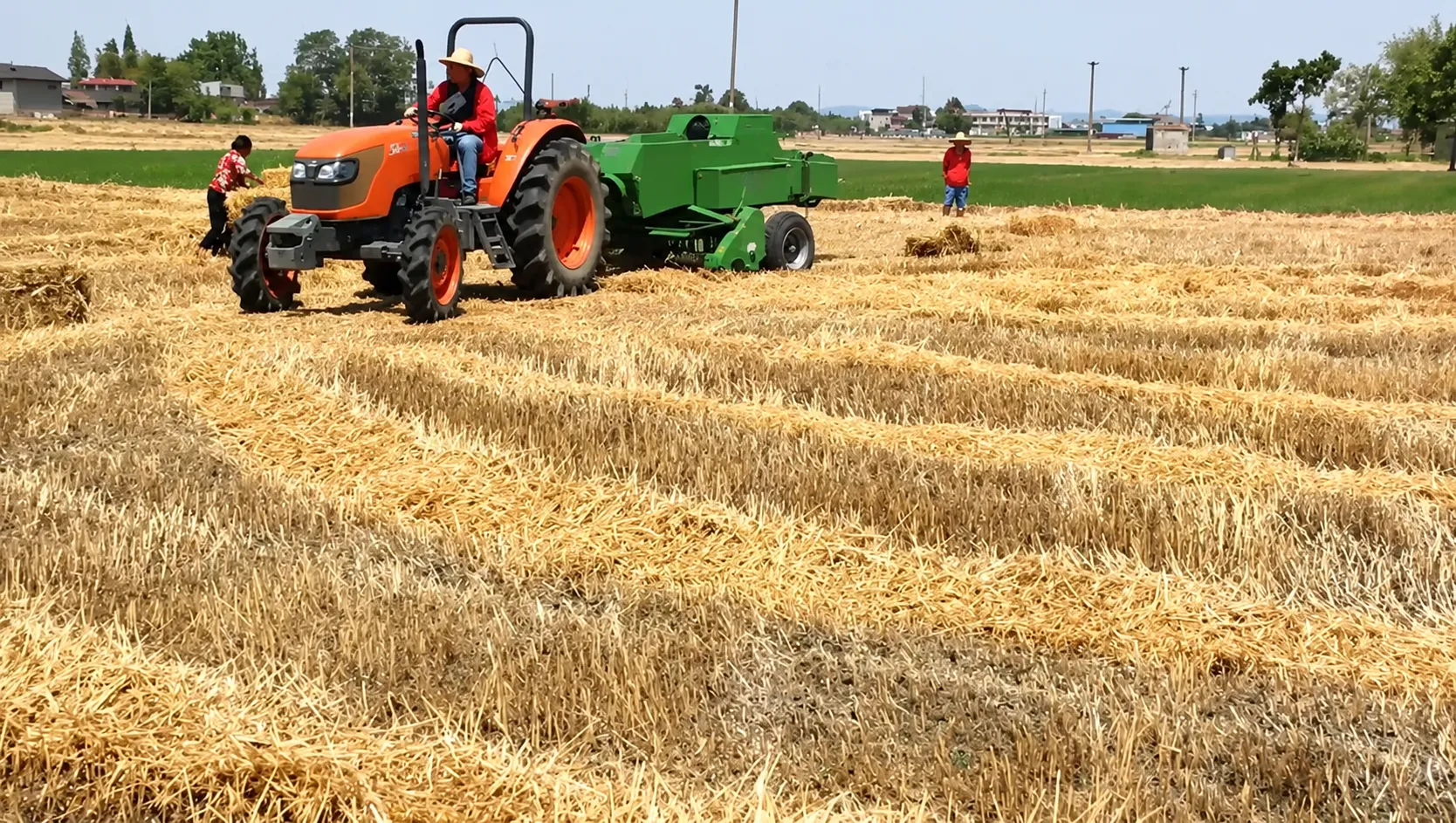
Mini balers are attractive partly because they create bales that are easier to manage than large commercial packages. However, “small” can still cover several bale sizes and weights. The best bale dimensions depend on how the farm plans to lift, stack, transport and feed the finished product. A bale that is too heavy for available labor becomes inconvenient even if the baler itself performs perfectly. In the context of how to choose a mini baler, this point matters because selection criteria, farm fit, tractor matching and ownership planning should be evaluated as part of the same farm system. The practical objective is not to maximize one specification but to create a dependable workflow that the tractor, operator and handling equipment can sustain throughout harvest.
Density is equally important. A dense bale uses storage and transport space efficiently, but excessive density can raise power demand and may make tying or wrapping more difficult under unsuitable crop conditions. Farms should aim for repeatable density rather than maximum density in every situation. Uniform bales are easier to stack, easier to sell and more predictable when rationing feed. In the context of how to choose a mini baler, this point matters because selection criteria, farm fit, tractor matching and ownership planning should be evaluated as part of the same farm system. The practical objective is not to maximize one specification but to create a dependable workflow that the tractor, operator and handling equipment can sustain throughout harvest.
Handling strategy should be planned before buying. If bales will be carried by hand, the target weight must be realistic for workers. If a small loader, wagon or bale grab will be used, dimensions should fit that equipment. Storage door size, barn layout and feeding routine may also influence which mini baler model is most practical. Thinking through these downstream steps prevents the common mistake of choosing a machine without considering what happens after the bale leaves the chamber. In the context of how to choose a mini baler, this point matters because selection criteria, farm fit, tractor matching and ownership planning should be evaluated as part of the same farm system. The practical objective is not to maximize one specification but to create a dependable workflow that the tractor, operator and handling equipment can sustain throughout harvest.
Experienced operators also compare what happens when conditions are less than ideal. Heavy windrows, sudden weather changes, uneven fields and long workdays reveal whether a machine is genuinely well matched. Planning for those realistic conditions usually produces better ownership decisions than relying only on brochure performance under ideal circumstances.
Crop preparation and operating technique
Baler performance begins with mowing, drying and raking. Uniform windrows allow a compact baler to maintain an even chamber fill and reduce the need for constant speed changes. A narrow, irregular windrow forces the operator to weave or overcorrect; a windrow that is too large can create plugs. Good rake settings and attention to crop distribution therefore increase productivity without changing anything on the baler itself. In the context of how to choose a mini baler, this point matters because selection criteria, farm fit, tractor matching and ownership planning should be evaluated as part of the same farm system. The practical objective is not to maximize one specification but to create a dependable workflow that the tractor, operator and handling equipment can sustain throughout harvest.
Moisture should be managed according to crop type, local climate and storage method. The baler cannot correct forage that is fundamentally too wet for safe storage. Operators should also avoid assuming that every part of a field dries at the same rate. Shaded areas, low spots and heavy swaths may require more time. Periodic moisture checks are more reliable than judging the entire field by appearance alone. In the context of how to choose a mini baler, this point matters because selection criteria, farm fit, tractor matching and ownership planning should be evaluated as part of the same farm system. The practical objective is not to maximize one specification but to create a dependable workflow that the tractor, operator and handling equipment can sustain throughout harvest.
During operation, consistent PTO speed, smooth travel and gradual feeding usually give the best results. Sudden acceleration into a heavy windrow increases machine load and can reduce bale consistency. The operator should watch bale shape, listen for unusual sounds and stop early when something changes. Mini balers are simple enough to be approachable, but they still benefit from disciplined machine awareness. In the context of how to choose a mini baler, this point matters because selection criteria, farm fit, tractor matching and ownership planning should be evaluated as part of the same farm system. The practical objective is not to maximize one specification but to create a dependable workflow that the tractor, operator and handling equipment can sustain throughout harvest.
Experienced operators also compare what happens when conditions are less than ideal. Heavy windrows, sudden weather changes, uneven fields and long workdays reveal whether a machine is genuinely well matched. Planning for those realistic conditions usually produces better ownership decisions than relying only on brochure performance under ideal circumstances.
Common mistakes and how to avoid them
One common mistake is buying according to the smallest advertised tractor requirement without considering terrain or heavy crop conditions. Another is assuming that every mini baler produces bales that are light enough for manual handling. Bale density, crop type and bale dimensions all influence final weight, so the handling plan should be checked before purchase. In the context of how to choose a mini baler, this point matters because selection criteria, farm fit, tractor matching and ownership planning should be evaluated as part of the same farm system. The practical objective is not to maximize one specification but to create a dependable workflow that the tractor, operator and handling equipment can sustain throughout harvest.
Farmers also sometimes underestimate windrow preparation. Compact pickups work best when the material is presented evenly. Poor windrows can make a perfectly good machine appear underpowered or unreliable. Raking quality, crop dryness and field speed should therefore be considered part of baler performance rather than separate issues. In the context of how to choose a mini baler, this point matters because selection criteria, farm fit, tractor matching and ownership planning should be evaluated as part of the same farm system. The practical objective is not to maximize one specification but to create a dependable workflow that the tractor, operator and handling equipment can sustain throughout harvest.
A final mistake is postponing spare-parts planning until something fails. During harvest, a small inexpensive component can stop the entire machine. Keeping common wear items on hand and knowing how quickly a supplier can ship replacements makes ownership far less stressful. In the context of how to choose a mini baler, this point matters because selection criteria, farm fit, tractor matching and ownership planning should be evaluated as part of the same farm system. The practical objective is not to maximize one specification but to create a dependable workflow that the tractor, operator and handling equipment can sustain throughout harvest.
Experienced operators also compare what happens when conditions are less than ideal. Heavy windrows, sudden weather changes, uneven fields and long workdays reveal whether a machine is genuinely well matched. Planning for those realistic conditions usually produces better ownership decisions than relying only on brochure performance under ideal circumstances.
Maintenance, reliability and parts support
Compact machines still contain components that operate under repeated load. Pickup tines, chains, bearings, sprockets, tying parts, chamber rollers or belts, and PTO driveline components all need inspection. Daily cleaning is especially important in dusty hay and straw because crop residue can hide wear and interfere with tying mechanisms. A few minutes of inspection before baling can prevent a much longer repair during a narrow weather window. In the context of how to choose a mini baler, this point matters because selection criteria, farm fit, tractor matching and ownership planning should be evaluated as part of the same farm system. The practical objective is not to maximize one specification but to create a dependable workflow that the tractor, operator and handling equipment can sustain throughout harvest.
Lubrication intervals should follow the manufacturer’s manual rather than guesswork. Overlooking a small bearing or chain can lead to heat, wear and eventual failure. Operators should also check fasteners, guards and twine or net routing because vibration and residue accumulation are normal parts of field work. Keeping a simple service log helps a farm remember what was greased, adjusted or replaced during the season. In the context of how to choose a mini baler, this point matters because selection criteria, farm fit, tractor matching and ownership planning should be evaluated as part of the same farm system. The practical objective is not to maximize one specification but to create a dependable workflow that the tractor, operator and handling equipment can sustain throughout harvest.
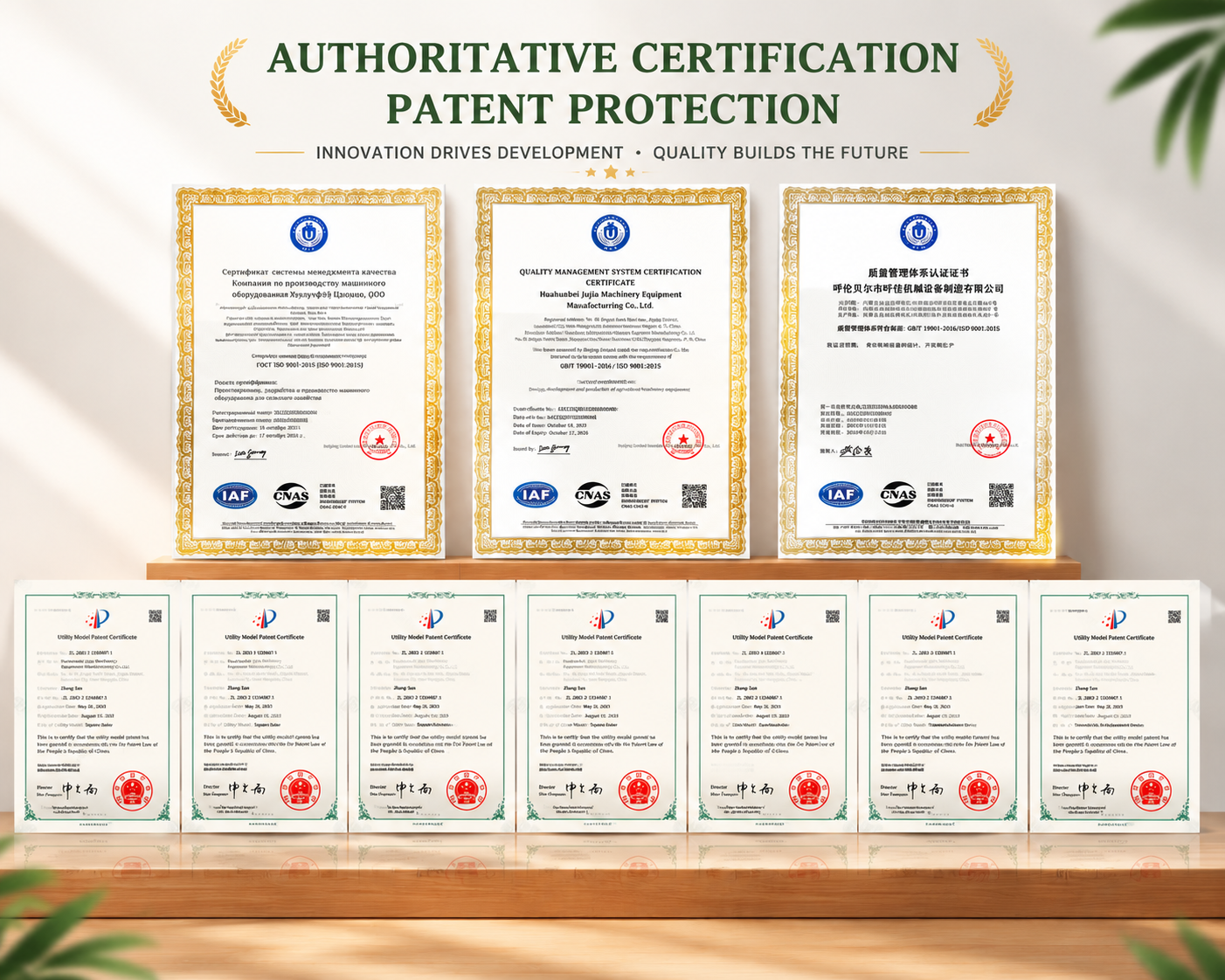
Parts support is part of machine value. A lower purchase price is less attractive if common wear parts are difficult to obtain. Buyers should ask suppliers about consumables, pickup tines, bearings, chains, tying components and other service items before ordering. Clear manuals, parts diagrams and responsive technical support can make a major difference when the machine is used by owners who perform most maintenance themselves. In the context of how to choose a mini baler, this point matters because selection criteria, farm fit, tractor matching and ownership planning should be evaluated as part of the same farm system. The practical objective is not to maximize one specification but to create a dependable workflow that the tractor, operator and handling equipment can sustain throughout harvest.
Experienced operators also compare what happens when conditions are less than ideal. Heavy windrows, sudden weather changes, uneven fields and long workdays reveal whether a machine is genuinely well matched. Planning for those realistic conditions usually produces better ownership decisions than relying only on brochure performance under ideal circumstances.
Buying considerations and total ownership cost
The purchase price is only one part of mini baler ownership. Tractor compatibility, twine or wrap consumption, service parts, labor, transport, storage and downtime all influence lifetime cost. A machine that is inexpensive but frequently interrupts harvest may be more costly than a better-supported model with a slightly higher initial price. Buyers should compare total ownership cost rather than headline price alone. In the context of how to choose a mini baler, this point matters because selection criteria, farm fit, tractor matching and ownership planning should be evaluated as part of the same farm system. The practical objective is not to maximize one specification but to create a dependable workflow that the tractor, operator and handling equipment can sustain throughout harvest.
Farm size and annual bale volume are equally important. A mini baler can be a strong investment when it gives the farmer control over timing and eliminates dependence on custom baling during narrow weather windows. For very limited annual use, however, renting, sharing equipment or hiring custom service may still be economically attractive. The correct decision depends on local service availability and the value of being able to bale exactly when crop conditions are ready. In the context of how to choose a mini baler, this point matters because selection criteria, farm fit, tractor matching and ownership planning should be evaluated as part of the same farm system. The practical objective is not to maximize one specification but to create a dependable workflow that the tractor, operator and handling equipment can sustain throughout harvest.
When comparing suppliers, ask for specific information: recommended PTO horsepower, bale size range, machine weight, tying method, included accessories, warranty, spare parts policy and after-sales support. A detailed quote is more useful than a simple price because it reveals what the farm is actually purchasing and what additional costs may appear after delivery. In the context of how to choose a mini baler, this point matters because selection criteria, farm fit, tractor matching and ownership planning should be evaluated as part of the same farm system. The practical objective is not to maximize one specification but to create a dependable workflow that the tractor, operator and handling equipment can sustain throughout harvest.
Experienced operators also compare what happens when conditions are less than ideal. Heavy windrows, sudden weather changes, uneven fields and long workdays reveal whether a machine is genuinely well matched. Planning for those realistic conditions usually produces better ownership decisions than relying only on brochure performance under ideal circumstances.

Practical field checklist
Before entering the field, inspect pickup tines, chain tension, guards, twine or wrap supply, lubrication points, tire condition and PTO shaft protection. Confirm that the tractor is set to the correct PTO speed and that the hitch arrangement allows safe turning without binding the driveline. In the context of how to choose a mini baler, this point matters because selection criteria, farm fit, tractor matching and ownership planning should be evaluated as part of the same farm system. The practical objective is not to maximize one specification but to create a dependable workflow that the tractor, operator and handling equipment can sustain throughout harvest.
During baling, watch windrow flow and finished bale shape. If the tractor begins to lug, the bale becomes uneven or the pickup starts to bunch material, reduce travel speed and diagnose the cause rather than forcing more crop through the machine. Consistent work is usually faster over the whole day than repeated stops caused by aggressive feeding. In the context of how to choose a mini baler, this point matters because selection criteria, farm fit, tractor matching and ownership planning should be evaluated as part of the same farm system. The practical objective is not to maximize one specification but to create a dependable workflow that the tractor, operator and handling equipment can sustain throughout harvest.
After baling, remove crop residue, check for hot bearings or loose fasteners, inspect the tying area and record any adjustment that improved performance. These simple habits build a useful operating history for the farm and shorten troubleshooting time later in the season. In the context of how to choose a mini baler, this point matters because selection criteria, farm fit, tractor matching and ownership planning should be evaluated as part of the same farm system. The practical objective is not to maximize one specification but to create a dependable workflow that the tractor, operator and handling equipment can sustain throughout harvest.
Experienced operators also compare what happens when conditions are less than ideal. Heavy windrows, sudden weather changes, uneven fields and long workdays reveal whether a machine is genuinely well matched. Planning for those realistic conditions usually produces better ownership decisions than relying only on brochure performance under ideal circumstances.
| Decision area | What to verify | Why it matters |
|---|---|---|
| Tractor | PTO horsepower, weight, hitch and stability | Prevents power and handling mismatch |
| Crop | Hay, straw, moisture and windrow volume | Affects pickup load and bale quality |
| Bale | Dimensions, density and handling method | Determines labor, storage and feeding convenience |
| Support | Warranty, parts and technical service | Reduces downtime and lifetime ownership risk |
Frequently asked questions
Is a mini baler suitable for a small farm?
Yes. Mini balers are often a good fit for small acreage, compact tractors and farms that prefer manageable bale sizes, provided the machine is matched correctly to crop volume and tractor PTO power.
Can a mini baler handle both hay and straw?
Many mini balers can work with both hay and straw, but settings, windrow size, field speed and moisture conditions may need adjustment for each material.
What should I check before buying a mini baler?
Check PTO horsepower, machine weight, bale dimensions, tying system, crop compatibility, spare parts support, warranty and how the finished bales will be handled.
How often should a mini baler be maintained?
Operators should perform daily field checks during the season and follow the manufacturer’s lubrication and service schedule for chains, bearings, pickup parts, tying components and driveline parts.
Need a Mini Baler recommendation?
Tell FarmBalers your tractor model, PTO horsepower, crop type, field size and preferred bale dimensions. Our team can help you compare Mini Baler, Round Baler, Square Baler and Silage Baler options.
You can also review related agricultural baler equipment or contact us directly for product and pricing information.