Centro de Conhecimento sobre Enfardadeiras Agrícolas · Enfardadeira de Silagem
This guide explains how to choose a silage baler for farmers, contractors and equipment buyers who want practical answers rather than a list of generic specifications. It covers field setup, tractor matching, crop flow, bale quality, maintenance, ownership and purchasing decisions. Silage adds moisture management, oxygen exclusion and wrapping quality to the normal baling process, so timing and sealing are especially important. The goal is to help readers connect machine features with the work that has to happen before and after baling, because that full workflow determines whether the equipment actually saves time and money.
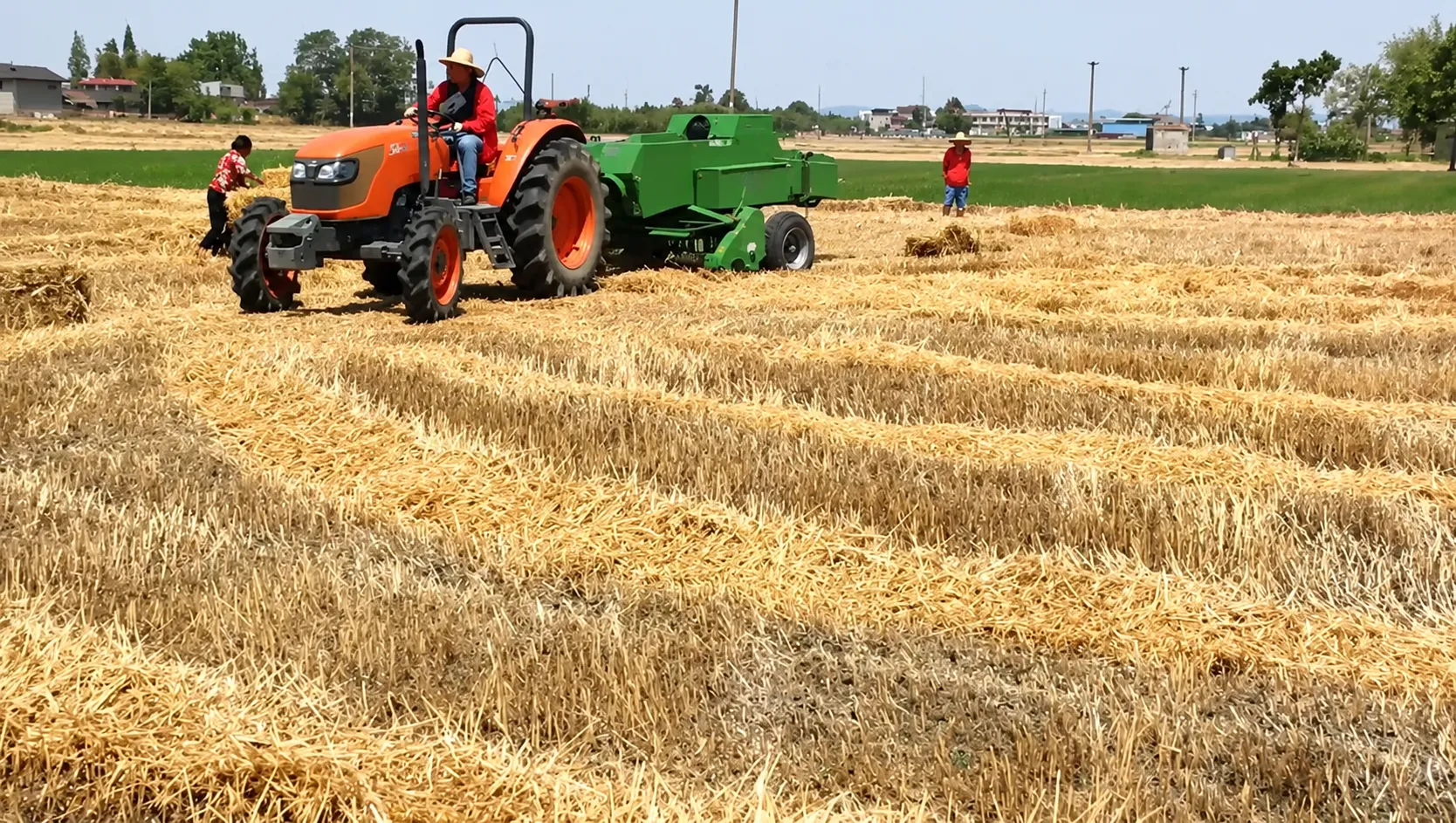
A escolha certa depende da cultura, da potência do trator, do formato de fardo desejado, das condições do campo, da mão de obra, do armazenamento e do suporte técnico. Use as seções abaixo como um guia prático antes de trocar de equipamento, comparar fornecedores ou planejar uma compra.
- Understanding how to choose a silage baler
- Por que esse assunto é importante em fazendas reais
- Combinação de máquinas e tratores
- Preparação da cultura e organização do campo
- Qualidade e manuseio dos fardos
- Produtividade e eficiência operacional
- Planejamento de manutenção e serviços
- Erros comuns a evitar
- Considerações sobre compra e propriedade
- Lista de verificação prática para tomada de decisões
Understanding how to choose a silage baler
The practical side of how to choose a silage baler becomes clearer when the farm maps the entire process from windrow preparation to final storage. Crop volume, moisture, terrain and operator experience all change how the equipment behaves. Silage adds moisture management, oxygen exclusion and wrapping quality to the normal baling process, so timing and sealing are especially important. This is why experienced buyers compare real operating conditions instead of relying only on maximum advertised capacity. The most dependable approach is to evaluate the machine as part of a complete forage system: mowing and conditioning influence drying, raking shapes the windrow, the baler determines density and shape, and handling equipment determines how efficiently the bale reaches storage or feeding. When these steps are planned together, the farm can reduce crop losses, improve bale uniformity and make better use of labor during narrow weather windows. It also becomes easier to communicate with a supplier because the buyer can describe actual requirements instead of asking for a generic recommendation.
A reliable plan for how to choose a silage baler should include ownership questions as well as performance questions. Buyers need to think about adjustment, lubrication, spare parts, service access, twine or wrapping consumables, transport and the way finished bales are fed or sold. Silage adds moisture management, oxygen exclusion and wrapping quality to the normal baling process, so timing and sealing are especially important. These details often decide whether the machine remains economical after the first harvest season. The most dependable approach is to evaluate the machine as part of a complete forage system: mowing and conditioning influence drying, raking shapes the windrow, the baler determines density and shape, and handling equipment determines how efficiently the bale reaches storage or feeding. When these steps are planned together, the farm can reduce crop losses, improve bale uniformity and make better use of labor during narrow weather windows. It also becomes easier to communicate with a supplier because the buyer can describe actual requirements instead of asking for a generic recommendation.
Field efficiency with how to choose a silage baler is built through consistency. Even windrows, correct PTO speed, appropriate travel speed and routine observation of bale shape prevent many common problems. Silage adds moisture management, oxygen exclusion and wrapping quality to the normal baling process, so timing and sealing are especially important. Operators who make small adjustments early usually avoid the larger interruptions that appear when crop flow or machine timing is allowed to drift. The most dependable approach is to evaluate the machine as part of a complete forage system: mowing and conditioning influence drying, raking shapes the windrow, the baler determines density and shape, and handling equipment determines how efficiently the bale reaches storage or feeding. When these steps are planned together, the farm can reduce crop losses, improve bale uniformity and make better use of labor during narrow weather windows. It also becomes easier to communicate with a supplier because the buyer can describe actual requirements instead of asking for a generic recommendation.
For farmers researching how to choose a silage baler, the useful starting point is not a single specification but the relationship between crop conditions, tractor capability, labor, bale handling and the timing pressure of harvest. Silage adds moisture management, oxygen exclusion and wrapping quality to the normal baling process, so timing and sealing are especially important. A machine that looks ideal on paper can become frustrating if it does not fit the actual field workflow, while a correctly matched machine can deliver consistent results for many seasons. The most dependable approach is to evaluate the machine as part of a complete forage system: mowing and conditioning influence drying, raking shapes the windrow, the baler determines density and shape, and handling equipment determines how efficiently the bale reaches storage or feeding. When these steps are planned together, the farm can reduce crop losses, improve bale uniformity and make better use of labor during narrow weather windows. It also becomes easier to communicate with a supplier because the buyer can describe actual requirements instead of asking for a generic recommendation.
Por que esse assunto é importante em fazendas reais
A reliable plan for how to choose a silage baler should include ownership questions as well as performance questions. Buyers need to think about adjustment, lubrication, spare parts, service access, twine or wrapping consumables, transport and the way finished bales are fed or sold. Silage adds moisture management, oxygen exclusion and wrapping quality to the normal baling process, so timing and sealing are especially important. These details often decide whether the machine remains economical after the first harvest season. The most dependable approach is to evaluate the machine as part of a complete forage system: mowing and conditioning influence drying, raking shapes the windrow, the baler determines density and shape, and handling equipment determines how efficiently the bale reaches storage or feeding. When these steps are planned together, the farm can reduce crop losses, improve bale uniformity and make better use of labor during narrow weather windows. It also becomes easier to communicate with a supplier because the buyer can describe actual requirements instead of asking for a generic recommendation.
Field efficiency with how to choose a silage baler is built through consistency. Even windrows, correct PTO speed, appropriate travel speed and routine observation of bale shape prevent many common problems. Silage adds moisture management, oxygen exclusion and wrapping quality to the normal baling process, so timing and sealing are especially important. Operators who make small adjustments early usually avoid the larger interruptions that appear when crop flow or machine timing is allowed to drift. The most dependable approach is to evaluate the machine as part of a complete forage system: mowing and conditioning influence drying, raking shapes the windrow, the baler determines density and shape, and handling equipment determines how efficiently the bale reaches storage or feeding. When these steps are planned together, the farm can reduce crop losses, improve bale uniformity and make better use of labor during narrow weather windows. It also becomes easier to communicate with a supplier because the buyer can describe actual requirements instead of asking for a generic recommendation.
For farmers researching how to choose a silage baler, the useful starting point is not a single specification but the relationship between crop conditions, tractor capability, labor, bale handling and the timing pressure of harvest. Silage adds moisture management, oxygen exclusion and wrapping quality to the normal baling process, so timing and sealing are especially important. A machine that looks ideal on paper can become frustrating if it does not fit the actual field workflow, while a correctly matched machine can deliver consistent results for many seasons. The most dependable approach is to evaluate the machine as part of a complete forage system: mowing and conditioning influence drying, raking shapes the windrow, the baler determines density and shape, and handling equipment determines how efficiently the bale reaches storage or feeding. When these steps are planned together, the farm can reduce crop losses, improve bale uniformity and make better use of labor during narrow weather windows. It also becomes easier to communicate with a supplier because the buyer can describe actual requirements instead of asking for a generic recommendation.
The practical side of how to choose a silage baler becomes clearer when the farm maps the entire process from windrow preparation to final storage. Crop volume, moisture, terrain and operator experience all change how the equipment behaves. Silage adds moisture management, oxygen exclusion and wrapping quality to the normal baling process, so timing and sealing are especially important. This is why experienced buyers compare real operating conditions instead of relying only on maximum advertised capacity. The most dependable approach is to evaluate the machine as part of a complete forage system: mowing and conditioning influence drying, raking shapes the windrow, the baler determines density and shape, and handling equipment determines how efficiently the bale reaches storage or feeding. When these steps are planned together, the farm can reduce crop losses, improve bale uniformity and make better use of labor during narrow weather windows. It also becomes easier to communicate with a supplier because the buyer can describe actual requirements instead of asking for a generic recommendation.

Combinação de máquinas e tratores
Field efficiency with how to choose a silage baler is built through consistency. Even windrows, correct PTO speed, appropriate travel speed and routine observation of bale shape prevent many common problems. Silage adds moisture management, oxygen exclusion and wrapping quality to the normal baling process, so timing and sealing are especially important. Operators who make small adjustments early usually avoid the larger interruptions that appear when crop flow or machine timing is allowed to drift. The most dependable approach is to evaluate the machine as part of a complete forage system: mowing and conditioning influence drying, raking shapes the windrow, the baler determines density and shape, and handling equipment determines how efficiently the bale reaches storage or feeding. When these steps are planned together, the farm can reduce crop losses, improve bale uniformity and make better use of labor during narrow weather windows. It also becomes easier to communicate with a supplier because the buyer can describe actual requirements instead of asking for a generic recommendation.
For farmers researching how to choose a silage baler, the useful starting point is not a single specification but the relationship between crop conditions, tractor capability, labor, bale handling and the timing pressure of harvest. Silage adds moisture management, oxygen exclusion and wrapping quality to the normal baling process, so timing and sealing are especially important. A machine that looks ideal on paper can become frustrating if it does not fit the actual field workflow, while a correctly matched machine can deliver consistent results for many seasons. The most dependable approach is to evaluate the machine as part of a complete forage system: mowing and conditioning influence drying, raking shapes the windrow, the baler determines density and shape, and handling equipment determines how efficiently the bale reaches storage or feeding. When these steps are planned together, the farm can reduce crop losses, improve bale uniformity and make better use of labor during narrow weather windows. It also becomes easier to communicate with a supplier because the buyer can describe actual requirements instead of asking for a generic recommendation.
The practical side of how to choose a silage baler becomes clearer when the farm maps the entire process from windrow preparation to final storage. Crop volume, moisture, terrain and operator experience all change how the equipment behaves. Silage adds moisture management, oxygen exclusion and wrapping quality to the normal baling process, so timing and sealing are especially important. This is why experienced buyers compare real operating conditions instead of relying only on maximum advertised capacity. The most dependable approach is to evaluate the machine as part of a complete forage system: mowing and conditioning influence drying, raking shapes the windrow, the baler determines density and shape, and handling equipment determines how efficiently the bale reaches storage or feeding. When these steps are planned together, the farm can reduce crop losses, improve bale uniformity and make better use of labor during narrow weather windows. It also becomes easier to communicate with a supplier because the buyer can describe actual requirements instead of asking for a generic recommendation.
A reliable plan for how to choose a silage baler should include ownership questions as well as performance questions. Buyers need to think about adjustment, lubrication, spare parts, service access, twine or wrapping consumables, transport and the way finished bales are fed or sold. Silage adds moisture management, oxygen exclusion and wrapping quality to the normal baling process, so timing and sealing are especially important. These details often decide whether the machine remains economical after the first harvest season. The most dependable approach is to evaluate the machine as part of a complete forage system: mowing and conditioning influence drying, raking shapes the windrow, the baler determines density and shape, and handling equipment determines how efficiently the bale reaches storage or feeding. When these steps are planned together, the farm can reduce crop losses, improve bale uniformity and make better use of labor during narrow weather windows. It also becomes easier to communicate with a supplier because the buyer can describe actual requirements instead of asking for a generic recommendation.
Preparação da cultura e organização do campo
For farmers researching how to choose a silage baler, the useful starting point is not a single specification but the relationship between crop conditions, tractor capability, labor, bale handling and the timing pressure of harvest. Silage adds moisture management, oxygen exclusion and wrapping quality to the normal baling process, so timing and sealing are especially important. A machine that looks ideal on paper can become frustrating if it does not fit the actual field workflow, while a correctly matched machine can deliver consistent results for many seasons. The most dependable approach is to evaluate the machine as part of a complete forage system: mowing and conditioning influence drying, raking shapes the windrow, the baler determines density and shape, and handling equipment determines how efficiently the bale reaches storage or feeding. When these steps are planned together, the farm can reduce crop losses, improve bale uniformity and make better use of labor during narrow weather windows. It also becomes easier to communicate with a supplier because the buyer can describe actual requirements instead of asking for a generic recommendation.
The practical side of how to choose a silage baler becomes clearer when the farm maps the entire process from windrow preparation to final storage. Crop volume, moisture, terrain and operator experience all change how the equipment behaves. Silage adds moisture management, oxygen exclusion and wrapping quality to the normal baling process, so timing and sealing are especially important. This is why experienced buyers compare real operating conditions instead of relying only on maximum advertised capacity. The most dependable approach is to evaluate the machine as part of a complete forage system: mowing and conditioning influence drying, raking shapes the windrow, the baler determines density and shape, and handling equipment determines how efficiently the bale reaches storage or feeding. When these steps are planned together, the farm can reduce crop losses, improve bale uniformity and make better use of labor during narrow weather windows. It also becomes easier to communicate with a supplier because the buyer can describe actual requirements instead of asking for a generic recommendation.
A reliable plan for how to choose a silage baler should include ownership questions as well as performance questions. Buyers need to think about adjustment, lubrication, spare parts, service access, twine or wrapping consumables, transport and the way finished bales are fed or sold. Silage adds moisture management, oxygen exclusion and wrapping quality to the normal baling process, so timing and sealing are especially important. These details often decide whether the machine remains economical after the first harvest season. The most dependable approach is to evaluate the machine as part of a complete forage system: mowing and conditioning influence drying, raking shapes the windrow, the baler determines density and shape, and handling equipment determines how efficiently the bale reaches storage or feeding. When these steps are planned together, the farm can reduce crop losses, improve bale uniformity and make better use of labor during narrow weather windows. It also becomes easier to communicate with a supplier because the buyer can describe actual requirements instead of asking for a generic recommendation.
Field efficiency with how to choose a silage baler is built through consistency. Even windrows, correct PTO speed, appropriate travel speed and routine observation of bale shape prevent many common problems. Silage adds moisture management, oxygen exclusion and wrapping quality to the normal baling process, so timing and sealing are especially important. Operators who make small adjustments early usually avoid the larger interruptions that appear when crop flow or machine timing is allowed to drift. The most dependable approach is to evaluate the machine as part of a complete forage system: mowing and conditioning influence drying, raking shapes the windrow, the baler determines density and shape, and handling equipment determines how efficiently the bale reaches storage or feeding. When these steps are planned together, the farm can reduce crop losses, improve bale uniformity and make better use of labor during narrow weather windows. It also becomes easier to communicate with a supplier because the buyer can describe actual requirements instead of asking for a generic recommendation.
Qualidade e manuseio dos fardos
The practical side of how to choose a silage baler becomes clearer when the farm maps the entire process from windrow preparation to final storage. Crop volume, moisture, terrain and operator experience all change how the equipment behaves. Silage adds moisture management, oxygen exclusion and wrapping quality to the normal baling process, so timing and sealing are especially important. This is why experienced buyers compare real operating conditions instead of relying only on maximum advertised capacity. The most dependable approach is to evaluate the machine as part of a complete forage system: mowing and conditioning influence drying, raking shapes the windrow, the baler determines density and shape, and handling equipment determines how efficiently the bale reaches storage or feeding. When these steps are planned together, the farm can reduce crop losses, improve bale uniformity and make better use of labor during narrow weather windows. It also becomes easier to communicate with a supplier because the buyer can describe actual requirements instead of asking for a generic recommendation.
A reliable plan for how to choose a silage baler should include ownership questions as well as performance questions. Buyers need to think about adjustment, lubrication, spare parts, service access, twine or wrapping consumables, transport and the way finished bales are fed or sold. Silage adds moisture management, oxygen exclusion and wrapping quality to the normal baling process, so timing and sealing are especially important. These details often decide whether the machine remains economical after the first harvest season. The most dependable approach is to evaluate the machine as part of a complete forage system: mowing and conditioning influence drying, raking shapes the windrow, the baler determines density and shape, and handling equipment determines how efficiently the bale reaches storage or feeding. When these steps are planned together, the farm can reduce crop losses, improve bale uniformity and make better use of labor during narrow weather windows. It also becomes easier to communicate with a supplier because the buyer can describe actual requirements instead of asking for a generic recommendation.
Field efficiency with how to choose a silage baler is built through consistency. Even windrows, correct PTO speed, appropriate travel speed and routine observation of bale shape prevent many common problems. Silage adds moisture management, oxygen exclusion and wrapping quality to the normal baling process, so timing and sealing are especially important. Operators who make small adjustments early usually avoid the larger interruptions that appear when crop flow or machine timing is allowed to drift. The most dependable approach is to evaluate the machine as part of a complete forage system: mowing and conditioning influence drying, raking shapes the windrow, the baler determines density and shape, and handling equipment determines how efficiently the bale reaches storage or feeding. When these steps are planned together, the farm can reduce crop losses, improve bale uniformity and make better use of labor during narrow weather windows. It also becomes easier to communicate with a supplier because the buyer can describe actual requirements instead of asking for a generic recommendation.
For farmers researching how to choose a silage baler, the useful starting point is not a single specification but the relationship between crop conditions, tractor capability, labor, bale handling and the timing pressure of harvest. Silage adds moisture management, oxygen exclusion and wrapping quality to the normal baling process, so timing and sealing are especially important. A machine that looks ideal on paper can become frustrating if it does not fit the actual field workflow, while a correctly matched machine can deliver consistent results for many seasons. The most dependable approach is to evaluate the machine as part of a complete forage system: mowing and conditioning influence drying, raking shapes the windrow, the baler determines density and shape, and handling equipment determines how efficiently the bale reaches storage or feeding. When these steps are planned together, the farm can reduce crop losses, improve bale uniformity and make better use of labor during narrow weather windows. It also becomes easier to communicate with a supplier because the buyer can describe actual requirements instead of asking for a generic recommendation.
Produtividade e eficiência operacional
A reliable plan for how to choose a silage baler should include ownership questions as well as performance questions. Buyers need to think about adjustment, lubrication, spare parts, service access, twine or wrapping consumables, transport and the way finished bales are fed or sold. Silage adds moisture management, oxygen exclusion and wrapping quality to the normal baling process, so timing and sealing are especially important. These details often decide whether the machine remains economical after the first harvest season. The most dependable approach is to evaluate the machine as part of a complete forage system: mowing and conditioning influence drying, raking shapes the windrow, the baler determines density and shape, and handling equipment determines how efficiently the bale reaches storage or feeding. When these steps are planned together, the farm can reduce crop losses, improve bale uniformity and make better use of labor during narrow weather windows. It also becomes easier to communicate with a supplier because the buyer can describe actual requirements instead of asking for a generic recommendation.
Field efficiency with how to choose a silage baler is built through consistency. Even windrows, correct PTO speed, appropriate travel speed and routine observation of bale shape prevent many common problems. Silage adds moisture management, oxygen exclusion and wrapping quality to the normal baling process, so timing and sealing are especially important. Operators who make small adjustments early usually avoid the larger interruptions that appear when crop flow or machine timing is allowed to drift. The most dependable approach is to evaluate the machine as part of a complete forage system: mowing and conditioning influence drying, raking shapes the windrow, the baler determines density and shape, and handling equipment determines how efficiently the bale reaches storage or feeding. When these steps are planned together, the farm can reduce crop losses, improve bale uniformity and make better use of labor during narrow weather windows. It also becomes easier to communicate with a supplier because the buyer can describe actual requirements instead of asking for a generic recommendation.
For farmers researching how to choose a silage baler, the useful starting point is not a single specification but the relationship between crop conditions, tractor capability, labor, bale handling and the timing pressure of harvest. Silage adds moisture management, oxygen exclusion and wrapping quality to the normal baling process, so timing and sealing are especially important. A machine that looks ideal on paper can become frustrating if it does not fit the actual field workflow, while a correctly matched machine can deliver consistent results for many seasons. The most dependable approach is to evaluate the machine as part of a complete forage system: mowing and conditioning influence drying, raking shapes the windrow, the baler determines density and shape, and handling equipment determines how efficiently the bale reaches storage or feeding. When these steps are planned together, the farm can reduce crop losses, improve bale uniformity and make better use of labor during narrow weather windows. It also becomes easier to communicate with a supplier because the buyer can describe actual requirements instead of asking for a generic recommendation.
The practical side of how to choose a silage baler becomes clearer when the farm maps the entire process from windrow preparation to final storage. Crop volume, moisture, terrain and operator experience all change how the equipment behaves. Silage adds moisture management, oxygen exclusion and wrapping quality to the normal baling process, so timing and sealing are especially important. This is why experienced buyers compare real operating conditions instead of relying only on maximum advertised capacity. The most dependable approach is to evaluate the machine as part of a complete forage system: mowing and conditioning influence drying, raking shapes the windrow, the baler determines density and shape, and handling equipment determines how efficiently the bale reaches storage or feeding. When these steps are planned together, the farm can reduce crop losses, improve bale uniformity and make better use of labor during narrow weather windows. It also becomes easier to communicate with a supplier because the buyer can describe actual requirements instead of asking for a generic recommendation.
Planejamento de manutenção e serviços
Field efficiency with how to choose a silage baler is built through consistency. Even windrows, correct PTO speed, appropriate travel speed and routine observation of bale shape prevent many common problems. Silage adds moisture management, oxygen exclusion and wrapping quality to the normal baling process, so timing and sealing are especially important. Operators who make small adjustments early usually avoid the larger interruptions that appear when crop flow or machine timing is allowed to drift. The most dependable approach is to evaluate the machine as part of a complete forage system: mowing and conditioning influence drying, raking shapes the windrow, the baler determines density and shape, and handling equipment determines how efficiently the bale reaches storage or feeding. When these steps are planned together, the farm can reduce crop losses, improve bale uniformity and make better use of labor during narrow weather windows. It also becomes easier to communicate with a supplier because the buyer can describe actual requirements instead of asking for a generic recommendation.
For farmers researching how to choose a silage baler, the useful starting point is not a single specification but the relationship between crop conditions, tractor capability, labor, bale handling and the timing pressure of harvest. Silage adds moisture management, oxygen exclusion and wrapping quality to the normal baling process, so timing and sealing are especially important. A machine that looks ideal on paper can become frustrating if it does not fit the actual field workflow, while a correctly matched machine can deliver consistent results for many seasons. The most dependable approach is to evaluate the machine as part of a complete forage system: mowing and conditioning influence drying, raking shapes the windrow, the baler determines density and shape, and handling equipment determines how efficiently the bale reaches storage or feeding. When these steps are planned together, the farm can reduce crop losses, improve bale uniformity and make better use of labor during narrow weather windows. It also becomes easier to communicate with a supplier because the buyer can describe actual requirements instead of asking for a generic recommendation.
The practical side of how to choose a silage baler becomes clearer when the farm maps the entire process from windrow preparation to final storage. Crop volume, moisture, terrain and operator experience all change how the equipment behaves. Silage adds moisture management, oxygen exclusion and wrapping quality to the normal baling process, so timing and sealing are especially important. This is why experienced buyers compare real operating conditions instead of relying only on maximum advertised capacity. The most dependable approach is to evaluate the machine as part of a complete forage system: mowing and conditioning influence drying, raking shapes the windrow, the baler determines density and shape, and handling equipment determines how efficiently the bale reaches storage or feeding. When these steps are planned together, the farm can reduce crop losses, improve bale uniformity and make better use of labor during narrow weather windows. It also becomes easier to communicate with a supplier because the buyer can describe actual requirements instead of asking for a generic recommendation.
A reliable plan for how to choose a silage baler should include ownership questions as well as performance questions. Buyers need to think about adjustment, lubrication, spare parts, service access, twine or wrapping consumables, transport and the way finished bales are fed or sold. Silage adds moisture management, oxygen exclusion and wrapping quality to the normal baling process, so timing and sealing are especially important. These details often decide whether the machine remains economical after the first harvest season. The most dependable approach is to evaluate the machine as part of a complete forage system: mowing and conditioning influence drying, raking shapes the windrow, the baler determines density and shape, and handling equipment determines how efficiently the bale reaches storage or feeding. When these steps are planned together, the farm can reduce crop losses, improve bale uniformity and make better use of labor during narrow weather windows. It also becomes easier to communicate with a supplier because the buyer can describe actual requirements instead of asking for a generic recommendation.
Erros comuns a evitar
For farmers researching how to choose a silage baler, the useful starting point is not a single specification but the relationship between crop conditions, tractor capability, labor, bale handling and the timing pressure of harvest. Silage adds moisture management, oxygen exclusion and wrapping quality to the normal baling process, so timing and sealing are especially important. A machine that looks ideal on paper can become frustrating if it does not fit the actual field workflow, while a correctly matched machine can deliver consistent results for many seasons. The most dependable approach is to evaluate the machine as part of a complete forage system: mowing and conditioning influence drying, raking shapes the windrow, the baler determines density and shape, and handling equipment determines how efficiently the bale reaches storage or feeding. When these steps are planned together, the farm can reduce crop losses, improve bale uniformity and make better use of labor during narrow weather windows. It also becomes easier to communicate with a supplier because the buyer can describe actual requirements instead of asking for a generic recommendation.
The practical side of how to choose a silage baler becomes clearer when the farm maps the entire process from windrow preparation to final storage. Crop volume, moisture, terrain and operator experience all change how the equipment behaves. Silage adds moisture management, oxygen exclusion and wrapping quality to the normal baling process, so timing and sealing are especially important. This is why experienced buyers compare real operating conditions instead of relying only on maximum advertised capacity. The most dependable approach is to evaluate the machine as part of a complete forage system: mowing and conditioning influence drying, raking shapes the windrow, the baler determines density and shape, and handling equipment determines how efficiently the bale reaches storage or feeding. When these steps are planned together, the farm can reduce crop losses, improve bale uniformity and make better use of labor during narrow weather windows. It also becomes easier to communicate with a supplier because the buyer can describe actual requirements instead of asking for a generic recommendation.
A reliable plan for how to choose a silage baler should include ownership questions as well as performance questions. Buyers need to think about adjustment, lubrication, spare parts, service access, twine or wrapping consumables, transport and the way finished bales are fed or sold. Silage adds moisture management, oxygen exclusion and wrapping quality to the normal baling process, so timing and sealing are especially important. These details often decide whether the machine remains economical after the first harvest season. The most dependable approach is to evaluate the machine as part of a complete forage system: mowing and conditioning influence drying, raking shapes the windrow, the baler determines density and shape, and handling equipment determines how efficiently the bale reaches storage or feeding. When these steps are planned together, the farm can reduce crop losses, improve bale uniformity and make better use of labor during narrow weather windows. It also becomes easier to communicate with a supplier because the buyer can describe actual requirements instead of asking for a generic recommendation.
Field efficiency with how to choose a silage baler is built through consistency. Even windrows, correct PTO speed, appropriate travel speed and routine observation of bale shape prevent many common problems. Silage adds moisture management, oxygen exclusion and wrapping quality to the normal baling process, so timing and sealing are especially important. Operators who make small adjustments early usually avoid the larger interruptions that appear when crop flow or machine timing is allowed to drift. The most dependable approach is to evaluate the machine as part of a complete forage system: mowing and conditioning influence drying, raking shapes the windrow, the baler determines density and shape, and handling equipment determines how efficiently the bale reaches storage or feeding. When these steps are planned together, the farm can reduce crop losses, improve bale uniformity and make better use of labor during narrow weather windows. It also becomes easier to communicate with a supplier because the buyer can describe actual requirements instead of asking for a generic recommendation.

Considerações sobre compra e propriedade
The practical side of how to choose a silage baler becomes clearer when the farm maps the entire process from windrow preparation to final storage. Crop volume, moisture, terrain and operator experience all change how the equipment behaves. Silage adds moisture management, oxygen exclusion and wrapping quality to the normal baling process, so timing and sealing are especially important. This is why experienced buyers compare real operating conditions instead of relying only on maximum advertised capacity. The most dependable approach is to evaluate the machine as part of a complete forage system: mowing and conditioning influence drying, raking shapes the windrow, the baler determines density and shape, and handling equipment determines how efficiently the bale reaches storage or feeding. When these steps are planned together, the farm can reduce crop losses, improve bale uniformity and make better use of labor during narrow weather windows. It also becomes easier to communicate with a supplier because the buyer can describe actual requirements instead of asking for a generic recommendation.
A reliable plan for how to choose a silage baler should include ownership questions as well as performance questions. Buyers need to think about adjustment, lubrication, spare parts, service access, twine or wrapping consumables, transport and the way finished bales are fed or sold. Silage adds moisture management, oxygen exclusion and wrapping quality to the normal baling process, so timing and sealing are especially important. These details often decide whether the machine remains economical after the first harvest season. The most dependable approach is to evaluate the machine as part of a complete forage system: mowing and conditioning influence drying, raking shapes the windrow, the baler determines density and shape, and handling equipment determines how efficiently the bale reaches storage or feeding. When these steps are planned together, the farm can reduce crop losses, improve bale uniformity and make better use of labor during narrow weather windows. It also becomes easier to communicate with a supplier because the buyer can describe actual requirements instead of asking for a generic recommendation.
Field efficiency with how to choose a silage baler is built through consistency. Even windrows, correct PTO speed, appropriate travel speed and routine observation of bale shape prevent many common problems. Silage adds moisture management, oxygen exclusion and wrapping quality to the normal baling process, so timing and sealing are especially important. Operators who make small adjustments early usually avoid the larger interruptions that appear when crop flow or machine timing is allowed to drift. The most dependable approach is to evaluate the machine as part of a complete forage system: mowing and conditioning influence drying, raking shapes the windrow, the baler determines density and shape, and handling equipment determines how efficiently the bale reaches storage or feeding. When these steps are planned together, the farm can reduce crop losses, improve bale uniformity and make better use of labor during narrow weather windows. It also becomes easier to communicate with a supplier because the buyer can describe actual requirements instead of asking for a generic recommendation.
For farmers researching how to choose a silage baler, the useful starting point is not a single specification but the relationship between crop conditions, tractor capability, labor, bale handling and the timing pressure of harvest. Silage adds moisture management, oxygen exclusion and wrapping quality to the normal baling process, so timing and sealing are especially important. A machine that looks ideal on paper can become frustrating if it does not fit the actual field workflow, while a correctly matched machine can deliver consistent results for many seasons. The most dependable approach is to evaluate the machine as part of a complete forage system: mowing and conditioning influence drying, raking shapes the windrow, the baler determines density and shape, and handling equipment determines how efficiently the bale reaches storage or feeding. When these steps are planned together, the farm can reduce crop losses, improve bale uniformity and make better use of labor during narrow weather windows. It also becomes easier to communicate with a supplier because the buyer can describe actual requirements instead of asking for a generic recommendation.
Lista de verificação prática para tomada de decisões
A reliable plan for how to choose a silage baler should include ownership questions as well as performance questions. Buyers need to think about adjustment, lubrication, spare parts, service access, twine or wrapping consumables, transport and the way finished bales are fed or sold. Silage adds moisture management, oxygen exclusion and wrapping quality to the normal baling process, so timing and sealing are especially important. These details often decide whether the machine remains economical after the first harvest season. The most dependable approach is to evaluate the machine as part of a complete forage system: mowing and conditioning influence drying, raking shapes the windrow, the baler determines density and shape, and handling equipment determines how efficiently the bale reaches storage or feeding. When these steps are planned together, the farm can reduce crop losses, improve bale uniformity and make better use of labor during narrow weather windows. It also becomes easier to communicate with a supplier because the buyer can describe actual requirements instead of asking for a generic recommendation.
Field efficiency with how to choose a silage baler is built through consistency. Even windrows, correct PTO speed, appropriate travel speed and routine observation of bale shape prevent many common problems. Silage adds moisture management, oxygen exclusion and wrapping quality to the normal baling process, so timing and sealing are especially important. Operators who make small adjustments early usually avoid the larger interruptions that appear when crop flow or machine timing is allowed to drift. The most dependable approach is to evaluate the machine as part of a complete forage system: mowing and conditioning influence drying, raking shapes the windrow, the baler determines density and shape, and handling equipment determines how efficiently the bale reaches storage or feeding. When these steps are planned together, the farm can reduce crop losses, improve bale uniformity and make better use of labor during narrow weather windows. It also becomes easier to communicate with a supplier because the buyer can describe actual requirements instead of asking for a generic recommendation.
For farmers researching how to choose a silage baler, the useful starting point is not a single specification but the relationship between crop conditions, tractor capability, labor, bale handling and the timing pressure of harvest. Silage adds moisture management, oxygen exclusion and wrapping quality to the normal baling process, so timing and sealing are especially important. A machine that looks ideal on paper can become frustrating if it does not fit the actual field workflow, while a correctly matched machine can deliver consistent results for many seasons. The most dependable approach is to evaluate the machine as part of a complete forage system: mowing and conditioning influence drying, raking shapes the windrow, the baler determines density and shape, and handling equipment determines how efficiently the bale reaches storage or feeding. When these steps are planned together, the farm can reduce crop losses, improve bale uniformity and make better use of labor during narrow weather windows. It also becomes easier to communicate with a supplier because the buyer can describe actual requirements instead of asking for a generic recommendation.
The practical side of how to choose a silage baler becomes clearer when the farm maps the entire process from windrow preparation to final storage. Crop volume, moisture, terrain and operator experience all change how the equipment behaves. Silage adds moisture management, oxygen exclusion and wrapping quality to the normal baling process, so timing and sealing are especially important. This is why experienced buyers compare real operating conditions instead of relying only on maximum advertised capacity. The most dependable approach is to evaluate the machine as part of a complete forage system: mowing and conditioning influence drying, raking shapes the windrow, the baler determines density and shape, and handling equipment determines how efficiently the bale reaches storage or feeding. When these steps are planned together, the farm can reduce crop losses, improve bale uniformity and make better use of labor during narrow weather windows. It also becomes easier to communicate with a supplier because the buyer can describe actual requirements instead of asking for a generic recommendation.
| Área de decisão | O que verificar | Por que isso importa |
|---|---|---|
| partida de trator | Potência da tomada de força (TDF), estabilidade, engate e terreno. | Previne a sobrecarga e melhora a consistência da alimentação. |
| Condições da colheita | Umidade, tamanho da leira, estrutura do caule | Afeta o desempenho da colheitadeira e a densidade dos fardos. |
| Alvo de Bale | Tamanho, densidade, tipo de amarração ou corda, método de manuseio | Determina a eficiência de armazenamento, alimentação e transporte. |
| Propriedade | Peças, manutenção, assistência técnica, garantia | Controla o tempo de inatividade e os custos operacionais a longo prazo. |
- O que é uma enfardadeira de silagem e como ela funciona?
- Melhor enfardadeira de silagem para pequenas e médias propriedades rurais
- Guia para enfardadeira de silagem redonda: densidade do fardo, embalagem e armazenamento
- Enfardadeira-embaladora de silagem: como o enfardamento e o embalamento funcionam juntos
Perguntas frequentes
What should I check first when researching how to choose a silage baler?
Comece definindo a cultura, a carga de trabalho anual, a potência da tomada de força do trator, o tamanho desejado do fardo e a forma como os fardos prontos serão manuseados e armazenados.
How do I compare machines for how to choose a silage baler?
Compare a capacidade em condições realistas de cultivo, a faixa de ajuste, o acesso à assistência técnica, as peças de desgaste, o suporte do fornecedor e o custo total de propriedade.
Por que a preparação em campo é tão importante?
Uma enfardadeira tem um desempenho mais consistente quando as leiras estão uniformes, a umidade é adequada e a velocidade de deslocamento corresponde ao volume da colheita.
Quando devo entrar em contato com um fornecedor de enfardadeiras?
Entre em contato com o fornecedor depois de saber a potência do seu trator, os tipos de cultura, a produção anual esperada e o formato de fardo preferido, para que a recomendação possa ser específica.
Como posso reduzir o tempo de inatividade durante a colheita?
Utilize uma inspeção pré-temporada, limpeza e lubrificação diárias, mantenha peças de desgaste comuns disponíveis e resolva precocemente ruídos incomuns, calor ou inconsistências no enfardamento.
Discuta suas necessidades de enfardadeira com a FarmBalers.
Informe-nos sobre sua cultura, a potência do trator, o tamanho desejado do fardo e a carga de trabalho anual prevista. Podemos ajudá-lo a comparar as opções de enfardadeiras redondas, quadradas, mini e para silagem para sua fazenda.
Você também pode consultar artigos relacionados. equipamentos agrícolas de enfardamento recursos.