विवरण
मुख्य विशिष्टताओं का संक्षिप्त विवरण
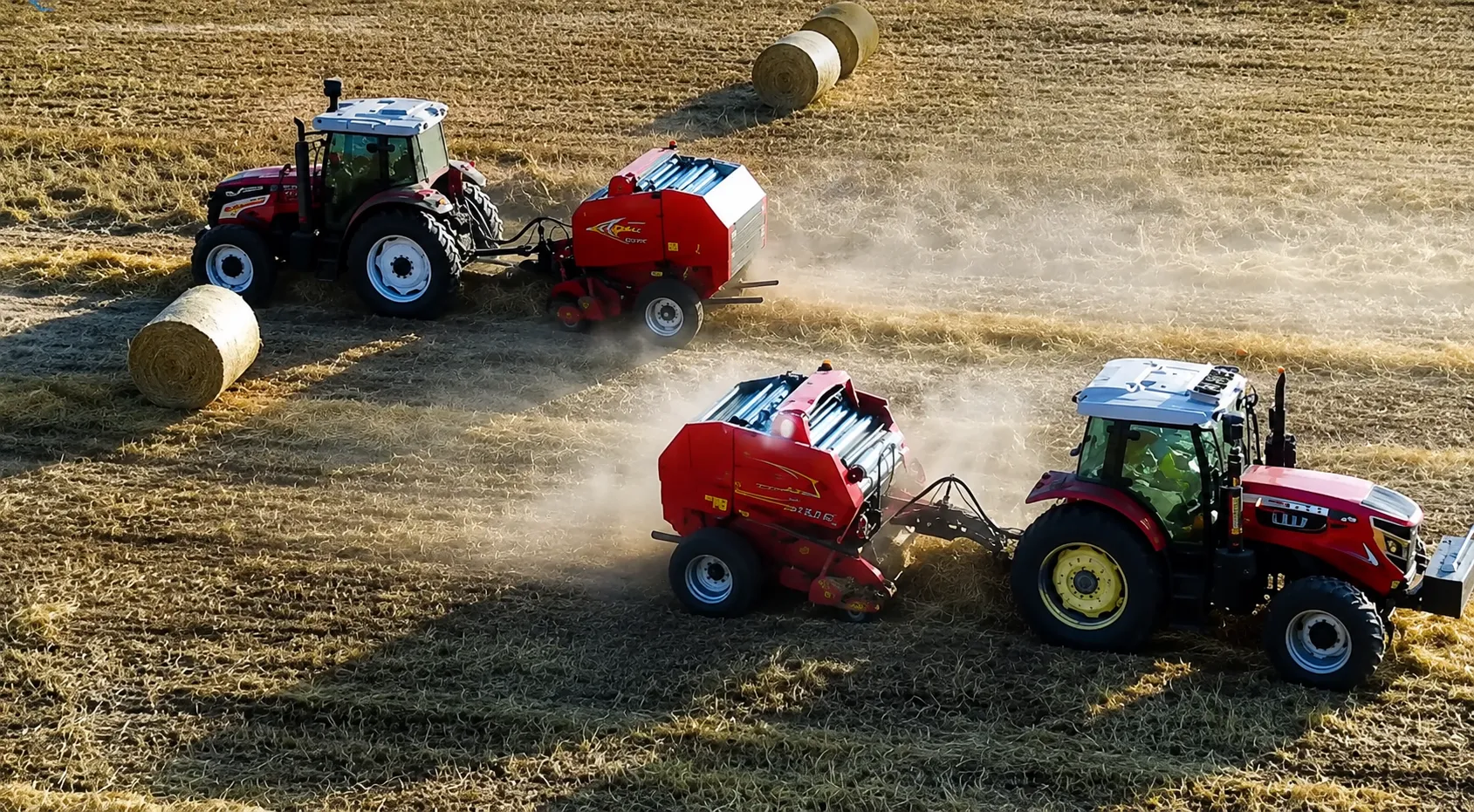
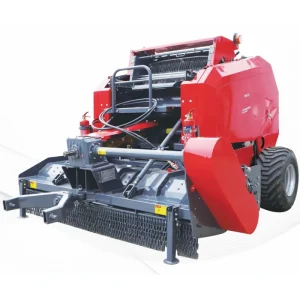
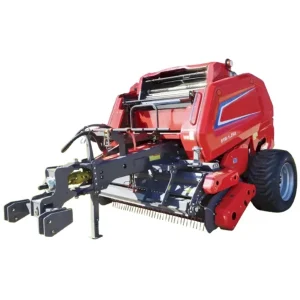
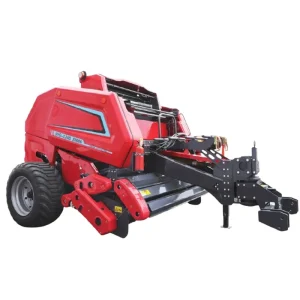
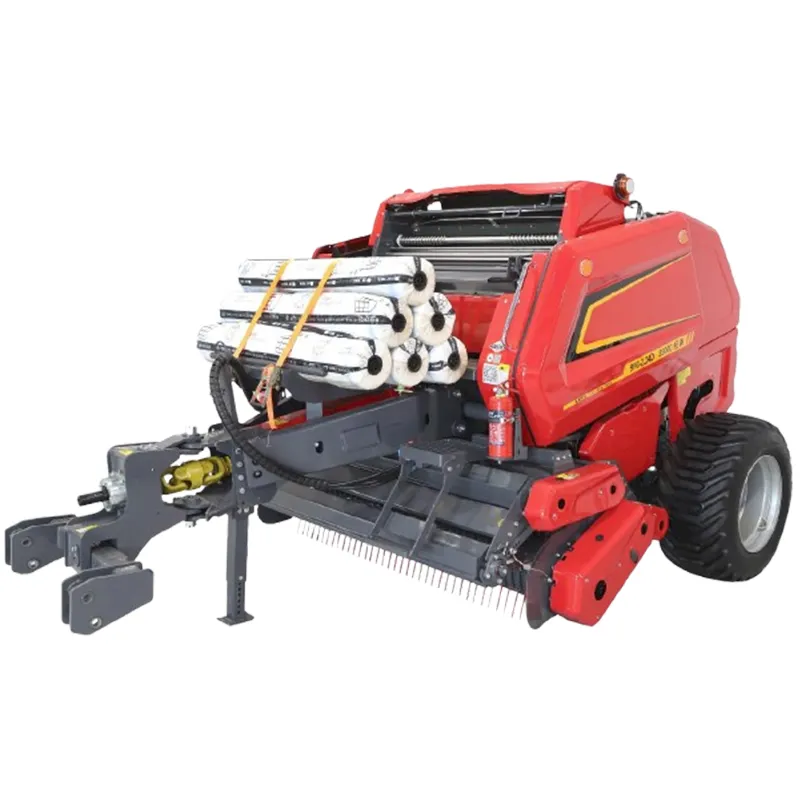
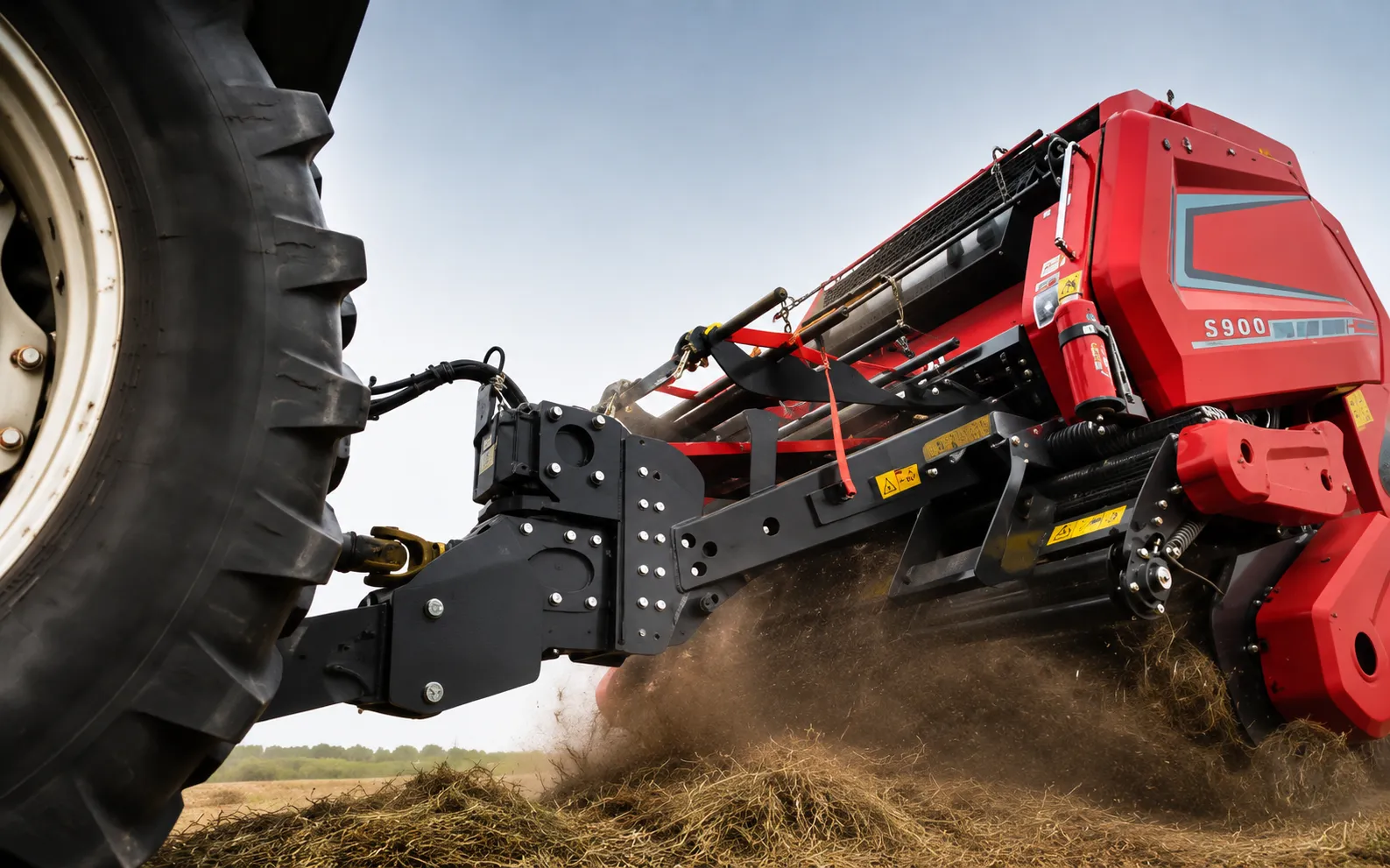
खेतों में राउंड बेलर की अधिकांश विफलताएँ ड्राइवलाइन से संबंधित होती हैं — जैसे कि बहुत ज़्यादा कसने से पीटीओ शाफ्ट का टूट जाना, भारी सामग्री में टॉर्क स्पाइक के कारण गियरबॉक्स का जाम हो जाना, या हाइड्रोलिक फिटिंग का ढीला हो जाना जिससे गेट की गति धीमी हो जाती है और लंबे समय तक बेलिंग करते समय लय बिगड़ जाती है। S9000 क्लासिक को विशेष रूप से इन विफलताओं को रोकने के लिए डिज़ाइन किया गया है, इसके लिए इसमें तीन यांत्रिक प्रणालियों पर पुनर्विचार किया गया है जो मानक S9000 में बाज़ार में उपलब्ध अधिकांश तुलनीय मशीनों के समान हैं।.
इसकी शुरुआत एक स्व-विकसित डुअल क्रॉसजॉइंट ड्राइवशाफ्ट से होती है — एक विशेष असेंबली जो इस श्रेणी में आम तौर पर इस्तेमाल होने वाले सिंगल-यूनिवर्सल-जॉइंट डिज़ाइन की जगह लेती है। दो क्रॉसजॉइंट एक साथ काम करते हुए तंग कोणों पर कोणीय मिसअलाइनमेंट को अधिक समान रूप से अवशोषित करते हैं, जो तब सबसे महत्वपूर्ण होता है जब ट्रैक्टर छोटे खेतों में तंग हेडलैंड मोड़ लेता है और ड्राइवशाफ्ट को टॉर्क कम किए बिना या कंपन पैदा किए बिना तेज़ी से घूमना पड़ता है। इसी असेंबली में एकीकृत एक टॉर्क लिमिटर एक निश्चित स्लिप पॉइंट प्रदान करता है: यदि किसी पदार्थ के फंसने से प्रतिरोध में अचानक वृद्धि होती है, तो गियरबॉक्स या पीटीओ शाफ्ट द्वारा झटके को अवशोषित करने से पहले ही लिमिटर रिलीज़ हो जाता है।.
हाइड्रोलिक सिस्टम में एच-टाइप स्लीव फिटिंग का उपयोग किया गया है - यह एक उच्च-लोड फिटिंग मानक है जो सप्लाई और रिटर्न दोनों सर्किट की दबाव क्षमता को बढ़ाता है। इसका व्यावहारिक लाभ यह है कि टेलगेट तेजी से खुलता और बंद होता है, लैच का जुड़ाव काफी बेहतर होता है, और एक रियर कुशन सिलेंडर गेट बंद होने के झटके को अवशोषित करता है और हजारों बेल चक्रों के दौरान जमा होने वाले फ्रेम के तनाव को रोकता है। इसमें ड्यूल-साइड स्प्रोकेट रियर चैंबर ड्राइव और एक भारी गियरबॉक्स जोड़ने पर, क्लासिक मॉडल मानक S9000 के समान 40-100 बेल प्रति घंटे का उत्पादन देता है, साथ ही चुनौतीपूर्ण परिस्थितियों में काफी अधिक यांत्रिक क्षमता प्रदान करता है।.
पूर्ण तकनीकी विशिष्टताएँ
| # | पैरामीटर | इकाई | कीमत |
|---|---|---|---|
| 1 | मॉडल नाम | — | 9YG-2.24D (S9000 क्लासिक) |
| 2 | हिच टाइप | — | खींचा जाने वाला (ड्रॉबार) |
| 3 | पिकअप चौड़ाई | मिमी / इंच | 2,240 मिमी (88.2 इंच) |
| 4 | पिकअप प्रकार | — | स्प्रिंग टूथ |
| 5 | फ़ीड प्रणाली | — | टूथ बार + रोलर (एक्सियल-फ्लो, पेटेंटेड) |
| 6 | चैम्बर प्रकार | — | निश्चित-कक्ष रोलर प्रकार |
| 7 | कक्ष की चौड़ाई | मिमी / इंच | 1,400 मिमी (55.1 इंच) |
| 8 | कक्ष व्यास | मिमी / इंच | Φ 1,200 मिमी (47.2 इंच) |
| 9 | रोलर्स की संख्या | पीसी | 18 |
| 10 | रोलर व्यास | मिमी | Φ 222 मिमी (8.7 इंच) |
| 11 | ड्राइवशाफ्ट प्रकार | — | डुअल क्रॉसजॉइंट + इंटीग्रेटेड टॉर्क लिमिटर |
| 12 | हाइड्रोलिक फिटिंग | — | एच-टाइप स्लीव (उच्च दबाव रेटिंग) |
| 13 | रियर चैम्बर ड्राइव | — | ड्यूल-साइड स्प्रोकेट, हेवी-ड्यूटी गियरबॉक्स |
| 14 | रैपिंग सिस्टम | — | नेट रैप (मानक) |
| 15 | ट्रैक्टर के लिए आवश्यक शक्ति | किलोवाट / एचपी | 55–100 किलोवाट (74–134 एचपी) |
| 16 | मशीन वजन | किलोग्राम / पाउंड | 4,312 किलोग्राम (9,504 पाउंड) |
| 17 | पीटीओ गति | आरपीएम | 720 |
| 18 | कुल आयाम (लंबाई × चौड़ाई × ऊंचाई) | मिमी | 4,470 × 3,010 × 2,370 (कार्यशील) |
| 19 | गांठ घनत्व नियंत्रण | — | इलेक्ट्रॉनिक सेंसर |
| 20 | गठ्ठे का आकार (व्यास × चौड़ाई) | मिमी | Φ 1,300 × 1,400 मिमी |
| 21 | गांठ घनत्व | किलोग्राम/मी³ | 100–200 |
| 22 | उत्पादकता | गांठें/घंटा | 40–100 |
| 23 | ट्रैक की चौड़ाई | मिमी | 2,600 |
| 24 | परिचालन गति | किमी/घंटा / मील प्रति घंटा | 5–35 किमी/घंटा (3–22 मील प्रति घंटा) |
| 25 | नेट रैप विनिर्देश | — | 2,000 × 1.4 मीटर प्रति गठ्ठा |
“क्लासिक” अपग्रेड में क्या जोड़ा गया है
मानक S9000 की तुलना में तीन लक्षित इंजीनियरिंग परिवर्तन
टॉर्क लिमिटर के साथ ड्यूल क्रॉसजॉइंट ड्राइवशाफ्ट
अधिकांश राउंड बेलर्स में मानक पीटीओ ड्राइवशाफ्ट के प्रत्येक सिरे पर एक सिंगल यूनिवर्सल जॉइंट होता है - यह ज्यामिति शाफ्ट के लगभग 20° से अधिक कोण पर चलने पर वेग में भिन्नता उत्पन्न करती है। क्लासिक मॉडल इसे प्रत्येक कनेक्शन बिंदु पर एक डुअल-क्रॉसजॉइंट असेंबली से बदल देता है, जो कोणीय विक्षेपण को दो जॉइंट्स में वितरित करता है जो एक दूसरे के साथ 180° विपरीत फेज में काम करते हैं। इसके परिणामस्वरूप, तंग हेडलैंड टर्न के दौरान भी लगभग स्थिर वेग से पावर ट्रांसफर होता है, जिससे कंपन कम होता है जो हजारों घंटों के संचालन के दौरान पीटीओ शाफ्ट स्प्लाइन्स, ड्राइवलाइन बेयरिंग और गियरबॉक्स इनपुट सील्स को खराब कर देता है।.
एकीकृत टॉर्क लिमिटर एक फ्रिक्शन-डिस्क क्लच है जिसे एक निश्चित ओवरलोड सीमा पर रिलीज़ होने के लिए कैलिब्रेट किया गया है। जब गीली सामग्री का घना गुच्छा या खेत का मलबा अचानक प्रतिरोध बढ़ाता है, तो गियरबॉक्स द्वारा झटके को अवशोषित करने से पहले ही लिमिटर स्लिप हो जाता है। मिश्रित गुणवत्ता वाली घास में लंबे समय तक काम करने वाले ऑपरेटरों या कभी-कभी मलबे वाले खेतों में काम करने वालों के लिए, यह एकमात्र यांत्रिक विशेषता है जो सीज़न के दौरान अनियोजित मरम्मत को रोकने में सबसे अधिक सहायक होती है।.
एच-टाइप हाइड्रोलिक स्लीव फिटिंग और गेट कुशन सिलेंडर
S9000 क्लासिक के हाइड्रोलिक सर्किट में गेट सप्लाई और रिटर्न दोनों लाइनों पर H-टाइप स्लीव फिटिंग का उपयोग किया जाता है। समान पोर्ट आकार के मानक स्ट्रेट-थ्रेड या फ्लेयर फिटिंग की तुलना में, स्लीव-कंप्रेशन फिटिंग उच्च दबाव क्षमता रखती हैं और थर्मल साइक्लिंग के दौरान बेहतर सील प्रदान करती हैं - यानी दिन भर बेलिंग के दौरान मानक हाइड्रोलिक फिटिंग में होने वाले बार-बार के ताप-शीतलन चक्रों के दौरान। व्यवहार में, इसका अर्थ है कि एक सीज़न के उपयोग के बाद फिटिंग जोड़ों पर रिसाव की संभावना कम होती है, और दिन भर गेट की प्रतिक्रिया अधिक मजबूत और स्थिर रहती है।.
पिछले गेट में एक कुशन सिलेंडर भी लगा होता है - एक छोटा हाइड्रोलिक सिलेंडर जिसमें कैलिब्रेटेड फ्लो रिस्ट्रिक्टर होता है जो गेट के पूरी तरह बंद होने से ठीक पहले उसकी अंतिम गति को धीमा कर देता है। इसके बिना, गेट बंद करने का बल अधिकतम प्रभाव के साथ टकराता है, जिससे फ्रेम में झटका लगता है। हजारों बार बंद होने और बंद होने के दौरान, यह संचित तनाव फ्रेम की थकान और गेट के पिवट क्षेत्र में वेल्डिंग में दरार का कारण बनता है। कुशन सिलेंडर अधिकतम प्रभाव को खत्म कर देता है और फिर भी गेट को उतने ही समय में बंद कर देता है।.
हैवी-ड्यूटी गियरबॉक्स के साथ डुअल-साइड स्प्रोकेट रियर चैंबर ड्राइव
मानक S9000 में पिछला चैंबर एक तरफ से संचालित होता है। क्लासिक मॉडल में, रोलर असेंबली के दोनों ओर स्प्रोकेट के माध्यम से ड्राइव वितरित होती है। जब इनपुट टॉर्क चैंबर के दोनों ओर समान रूप से विभाजित होता है, तो प्रत्येक स्प्रोकेट, चेन लिंक और बेयरिंग सेट पर भार लगभग आधा हो जाता है। इससे चेन और स्प्रोकेट घटकों के लिए सर्विसिंग अंतराल बढ़ जाता है, पिछले ड्राइव असेंबली में ऑपरेटिंग तापमान कम हो जाता है, और 1,400 मिमी की पूरी चैंबर चौड़ाई में रोलर की गति अधिक एकसमान हो जाती है - जो पार्श्व घनत्व स्थिरता में योगदान देता है, जिससे गांठें फ्लैटबेड पर समान रूप से ढेर हो जाती हैं।.
उन्नत हेवी-ड्यूटी गियरबॉक्स, मशीन का वजन बढ़ाए बिना, डुअल-स्पॉकेट ड्राइव से उत्पन्न होने वाले उच्च संयुक्त भार को संभालने के लिए ट्रांसमिशन की टॉर्क रेटिंग को बढ़ाता है। 4,312 किलोग्राम (9,504 पाउंड) के कुल मशीन वजन के साथ, क्लासिक मानक S9000 से 390 किलोग्राम (860 पाउंड) अधिक भारी है - यह अतिरिक्त वजन लगभग पूरी तरह से ड्राइवलाइन और रियर ड्राइव अपग्रेड के कारण है।.
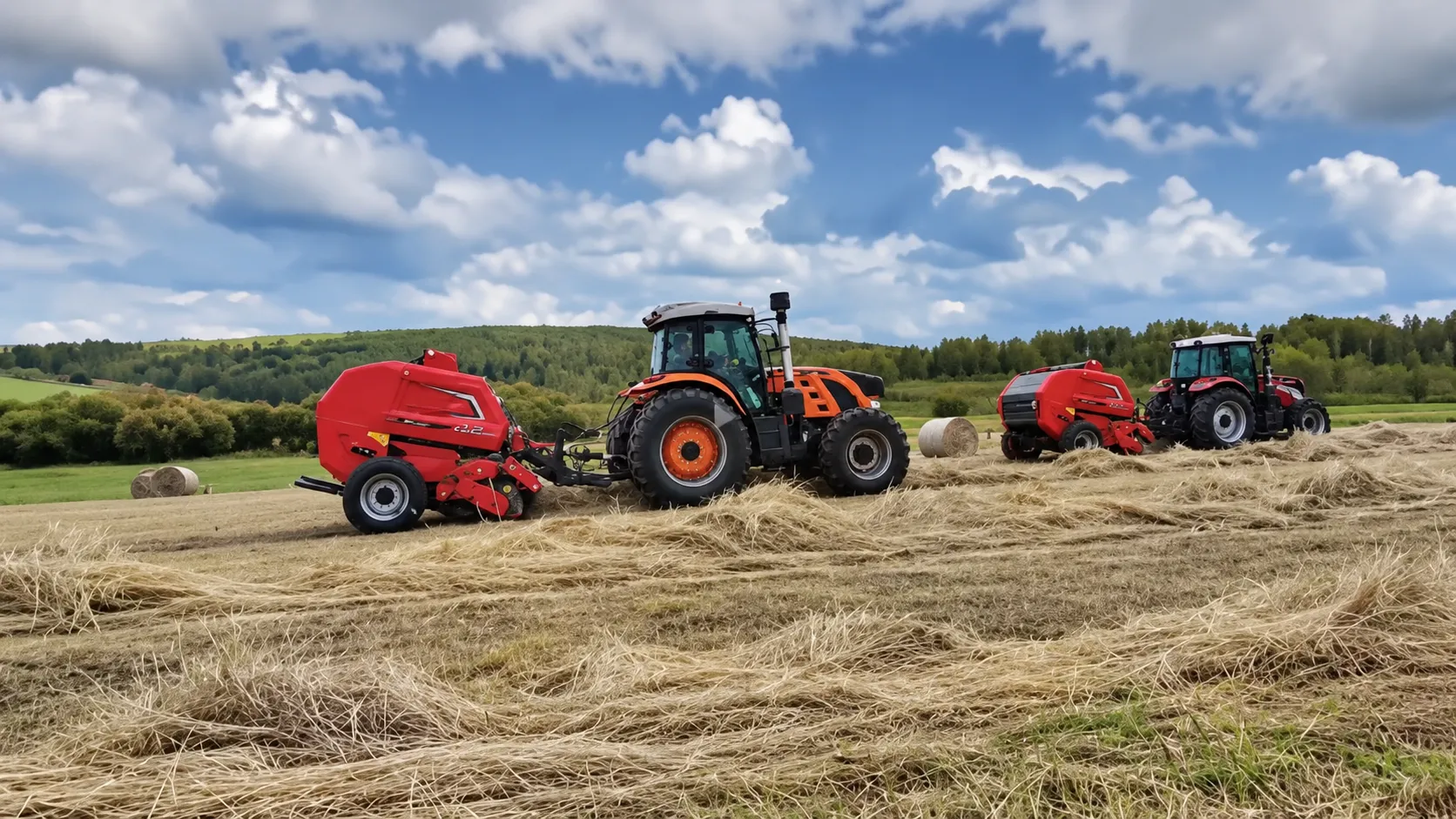
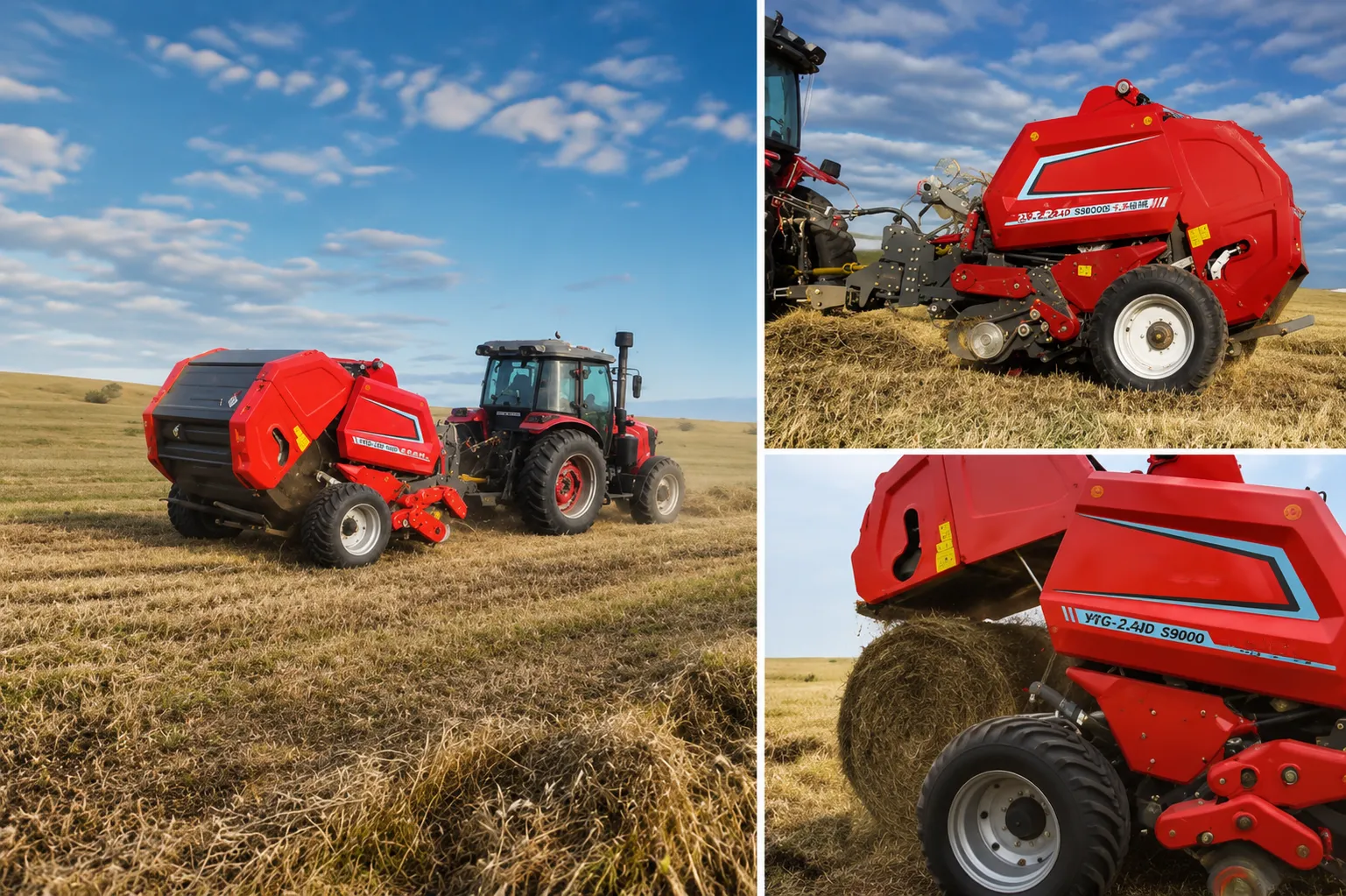
फील्ड ऑपरेशन — चरण दर चरण
चरण 1 — पीटीओ कनेक्शन
ड्यूल-क्रॉसजॉइंट पीटीओ शाफ्ट को ट्रैक्टर के 720 आरपीएम रियर पीटीओ से कनेक्ट करें। ड्यूल-जॉइंट डिज़ाइन शाफ्ट को बिना कंपन के अधिक कोणों पर काम करने की अनुमति देता है, इसलिए ट्रैक्टर को जोड़ते समय असेंबली को नुकसान पहुंचाए बिना उसे थोड़ा ऑफ-लाइन पोजीशन में रखा जा सकता है। पीटीओ चालू करने से पहले टॉर्क लिमिटर फ्रिक्शन सेटिंग की जांच कर लें कि वह निर्धारित सीमा के भीतर है - लिमिटर फैक्ट्री से पहले से सेट होकर आता है, लेकिन परिवहन के बाद इसकी जांच अवश्य कर लें।.
चरण 2 — फसल की कटाई
2,240 मिमी स्प्रिंग-टूथ पिकअप 3–22 मील प्रति घंटे की गति से आगे बढ़ते हुए घास के ढेर को उठाता है। पिकअप के गेज व्हील जमीन की सतह पर चलते हैं और टाइन क्लीयरेंस को स्थिर रखते हैं, जो सूखी घास में मिट्टी के संदूषण को कम करने की कुंजी है — यह एक गुणवत्ता संबंधी समस्या है जो चारे के पोषण मूल्य को प्रभावित करती है। चौड़े मिश्रित घास के ढेरों में, 88 इंच का पिकअप आगे की गति को कम किए बिना एक ही बार में पूरी चौड़ाई में घास उठा लेता है।.
चरण 3 — अक्षीय प्रवाह सेवन
फसल पिकअप से पेटेंटेड टूथ-बार और रोलर फीड असेंबली में जाती है। अक्षीय प्रवाह पथ संपीड़न क्षेत्र में प्रवेश करने से पहले सामग्री को पूरे चैम्बर की चौड़ाई में समान रूप से वितरित करता है। असमान पार्श्व वितरण गांठों के केंद्र से हट जाने का मुख्य कारण है - जिससे गांठों का आकार अनियमित हो जाता है, नेट रैप की खपत असमान हो जाती है और परिवहन में अस्थिरता आती है। फीड सिस्टम का समान वितरण इसे शुरुआत में ही रोक देता है।.
चरण 4 — चैम्बर संपीड़न
स्थिर कक्ष के अंदर, दोहरी तरफा स्प्रोकेट प्रणाली द्वारा संचालित 18 रोलर घूमते हुए गठ्ठे के कोर को संपीड़ित करते हैं। चूंकि चालकता कक्ष के दोनों ओर से एक साथ लगाई जाती है, इसलिए रोलर की गति पूरी चौड़ाई में समान रहती है - जिससे एकल तरफा चालकता के कारण होने वाला मामूली गति अंतर समाप्त हो जाता है, जो गठ्ठे के पार्श्व अनुप्रस्थ काट में घनत्व में मामूली भिन्नता का कारण बनता है। मजबूत गियरबॉक्स लंबे समय तक गठ्ठे बनाने के दौरान तापीय अपघटन के बिना दोनों ओर से उच्च संयुक्त टॉर्क भार को संचारित करता है।.
चरण 5 — घनत्व संवेदन और नेट रैप
इलेक्ट्रॉनिक प्रेशर सेंसर लगातार चैम्बर लोड को मापता है। निर्धारित घनत्व सीमा पर, नियंत्रण प्रणाली स्वचालित नेट रैप शुरू कर देती है। रैप की गति को ऑपरेटर कैब से नियंत्रित कर सकता है। अधिकांश विंडरो स्थितियों में, नेट रैप को आगे की गति को रोके बिना लगाया, काटा और सुरक्षित किया जाता है। नेट रैप से डिस्चार्ज तक का कुल समय आमतौर पर 15-20 सेकंड होता है।.
चरण 6 — कुशनयुक्त गेट डिस्चार्ज
एच-टाइप हाइड्रोलिक सर्किट गेट को तेजी से खोलने के लिए दबाव प्रदान करता है; कुशन सिलेंडर बंद होने के दौरान लगने वाले झटके को सोख लेता है। गठ्ठा जमीन पर लुढ़क जाता है और हाइड्रोलिक दबाव के कारण गेट अपने आप बंद हो जाता है, बिना किसी मैनुअल हस्तक्षेप के लॉक हो जाता है। गेट के बंद होने का संकेत मिलते ही ऑपरेटर आगे बढ़कर अगला गठ्ठा उठा लेता है - रीसेट करने या लॉक करने के लिए किसी विराम की आवश्यकता नहीं होती।.
बौद्धिक संपदा
पेटेंटकृत फ़ीड तकनीक — कंपनी के भीतर ही विकसित की गई
एस9000 श्रृंखला में प्रयुक्त अक्षीय प्रवाह अर्ध-बल-फीड सेवन तंत्र को पूरी तरह से ब्राजील की एवर-पावर फार्म बेलर्स कंपनी लिमिटेड के अनुसंधान एवं विकास केंद्र में विकसित किया गया है और यह एक उपयोगिता पेटेंट द्वारा संरक्षित है। इस तंत्र की कैमलेस, रिंगलेस संरचना पारंपरिक कैम-ट्रैक डिज़ाइनों से भिन्न है और इसे किसी भी तृतीय-पक्ष निर्माता को लाइसेंस नहीं दिया गया है।.
ब्राज़ील एवर-पावर फ़ार्म बेलर्स कंपनी लिमिटेड के पास अपने उत्पाद पोर्टफोलियो में लगभग 100 उपयोगी पेटेंट हैं - इस पैमाने के उत्पादन वाली कंपनी के लिए यह संख्या असामान्य रूप से अधिक है, जो कंपनी के आकार के सापेक्ष उसकी तकनीकी विकास की गहराई को दर्शाती है। सभी उत्पाद कंपनी की 32,000 वर्ग मीटर की सुविधा में ही निर्मित किए जाते हैं, प्राथमिक संरचनात्मक या यांत्रिक घटकों का कोई भी निर्माण कार्य बाहरी एजेंसियों को नहीं सौंपा जाता है।.

उपयुक्त फसलें और भूभाग
18% से कम नमी वाले क्षेत्रों में अल्फाल्फा, ब्रोमे, टिमोथी, फेस्क्यू, ऑर्चर्ड ग्रास, बरमूडाग्रास और मिश्रित चारागाह मिश्रणों को इसमें आसानी से प्रोसेस किया जा सकता है। फिक्स्ड रोलर चैंबर बेल्ट फिसलने के जोखिम के बिना कम घर्षण वाली सूखी सामग्री को विश्वसनीय रूप से संभालता है।.
लपेटी हुई गांठों के लिए 30–50% नमी वाली दूसरी और तीसरी कटाई की अल्फाल्फा या घास। दोहरी तरफा चैम्बर ड्राइव भारी और अधिक गीली सामग्री में भी एकसमान रोलर गति बनाए रखती है, जबकि एकल तरफा ड्राइव असमान पार्श्व घनत्व उत्पन्न कर सकती है।.
गेहूं, जौ, जई और राई का भूसा बिस्तरों या बायोमास के लिए। 88 इंच का पिकअप कंबाइन हेडर की पूरी कतारों को आसानी से साफ कर देता है। टॉर्क लिमिटर उच्च मात्रा और उच्च गति से भूसा ग्रहण करने की स्थितियों में ड्राइवलाइन की सुरक्षा करता है।.
फसल कटाई के बाद बचे हुए मक्के के भूसे का उपयोग बिछाने, बायोमास या मिट्टी के कटाव को नियंत्रित करने के लिए किया जाता है। टॉर्क लिमिटर यहाँ विशेष रूप से महत्वपूर्ण है — भूसे को उठाते समय कभी-कभी घनत्व में अचानक वृद्धि हो जाती है जिससे असुरक्षित ड्राइवलाइन को नुकसान पहुँच सकता है।.
सोरघम-सूडान, राई, ट्रिटिकेल और मिश्रित आवरण। तनेदार, उलझी हुई सामग्री जो मोड़ों के दौरान सिंगल-जॉइंट ड्राइवशाफ्ट पर दबाव डाल सकती है। ड्यूल-क्रॉसजॉइंट शाफ्ट सामग्री के घनत्व और कोणीय मांग के इस संयोजन को अधिक विश्वसनीयता से संभालता है।.
समतल से हल्की ढलान वाली ज़मीन के लिए उपयुक्त। क्लासिक का फिक्स्ड हिच मध्यम ढलान तक के खेतों के लिए उपयुक्त है। अधिक खड़ी ढलानों या अत्यधिक ऊबड़-खाबड़ इलाकों के लिए, जहां टिल्टिंग हिच की आवश्यकता होती है, कृपया देखें। एस9000 सुपीरियर.
S9000 वेरिएंट की तुलना
| विशेषता | एस9000 | S9000 क्लासिक ← आप यहाँ हैं | एस9000 सुपीरियर |
|---|---|---|---|
| ड्राइवशाफ्ट | मानक एकल-जोड़ | डुअल क्रॉसजॉइंट + टॉर्क लिमिटर | डुअल क्रॉसजॉइंट + टॉर्क लिमिटर |
| हाइड्रोलिक फिटिंग | मानक | एच-टाइप स्लीव + कुशन सिलेंडर | एच-टाइप स्लीव + कुशन सिलेंडर |
| रियर चैम्बर ड्राइव | एक तरफा चेन | डुअल-साइड स्प्रोकेट, एचडी गियरबॉक्स | दोहरी 20A भारी चेन |
| हिच आर्टिकुलेशन | तय | तय | 100° क्षैतिज / 30° पार्श्व झुकाव |
| मशीन वजन | 3,922 किलोग्राम / 8,647 पाउंड | 4,312 किलोग्राम / 9,504 पाउंड | 4,570 किलोग्राम / 10,076 पाउंड |
| के लिए सर्वश्रेष्ठ | समतल खेत, मानक घास और भूसा, किफायती | छोटे खेत, बार-बार मोड़, भारी ड्राइवलाइन लोड, लंबे दैनिक चक्र | ढलानदार/ऊबड़-खाबड़ भूभाग के लिए झुकाव-समायोज्य हिच की आवश्यकता होती है |
रखरखाव — क्लासिक-विशिष्ट नोट्स
- दोनों क्रॉसजॉइंट बेयरिंग कपों में ग्रीस लगाएं — प्रत्येक जॉइंट के लिए कुल 4 ग्रीस पॉइंट।
- सुनिश्चित करें कि टॉर्क लिमिटर गार्ड सही सलामत और बिना किसी रुकावट के है।
- जांचें कि पीटीओ शाफ्ट का टेलीस्कोपिंग सेक्शन बिना अटके आसानी से स्लाइड करता है।
- पूर्ण पीटीओ चालू करने से पहले, सुनिश्चित करें कि दोनों क्रॉसजॉइंट कम गति पर बिना किसी रुकावट के घूम रहे हैं।
- एच-टाइप फिटिंग के कनेक्शनों में रिसाव की जांच करें — फिटिंग को साफ कपड़े से पोंछें और दैनिक उपयोग के पहले घंटे के बाद निरीक्षण करें।
- गेट साइकिल की गति का परीक्षण करें — कुशन सिलेंडर को गेट यात्रा के अंतिम 10-15 डिग्री में सुचारू मंदी उत्पन्न करनी चाहिए; झटकेदार बंद होने से संकेत मिलता है कि कुशन प्रतिबंधक को समायोजन की आवश्यकता हो सकती है।
- दिन की पहली गांठ उठाने से पहले हाइड्रोलिक द्रव का स्तर जांच लें।
- बाएं और दाएं दोनों ड्राइव चेन पर तनाव की जांच करें - उनमें समान झुकाव होना चाहिए; असमान तनाव स्प्रोकेट संरेखण समस्या का संकेत देता है।
- हैवी-ड्यूटी गियरबॉक्स में इनपुट सील के आसपास तेल रिसाव की जांच करें।
- फील्ड में उपयोग करने से पहले, कम पीटीओ पर देखकर सुनिश्चित करें कि रोलर असेंबली के दोनों सिरे एक ही गति से घूम रहे हैं।
- टॉर्क लिमिटर स्लिप सेटिंग की जांच करें कि उसमें कोई बदलाव तो नहीं आया है — यदि सामान्य भार के दौरान स्लिप हो रही है तो उसे पुनः कैलिब्रेट करें।
ऑपरेटर समीक्षाएँ
उत्तरी इलिनोइस — कस्टम बेलिंग, 4,500+ एकड़/सीज़न
मैं कस्टम बेलिंग का काम करता हूँ और इस सीज़न में क्लासिक मेरी मुख्य उत्पादन इकाई है। मैंने स्टैंडर्ड S9000 के बजाय क्लासिक को चुनने का मुख्य कारण इसका ड्राइवलाइन पैकेज था। मैं उत्तरी इलिनोइस में कई छोटे, अनियमित आकार के खेतों में काम करता हूँ जहाँ हेडलैंड टर्न तंग होते हैं और मुझे लगातार PTO शाफ्ट को तीखे कोणों पर घुमाना पड़ता है। पुराने बेलर के साथ, तीन साल में दो बार PTO शाफ्ट खराब हो गया था, जिसका कारण टर्न लेते समय बहुत तीखे कोण पर चलाना था। क्लासिक का ड्यूल-क्रॉसजॉइंट शाफ्ट बिना किसी कंपन या अकड़न के चल रहा है। मैंने इस सीज़न में अल्फाल्फा, ब्रोमे और कुछ गेहूं के भूसे पर 6,800 बेल बनाए हैं, और ड्राइवलाइन लगातार मज़बूत रही है। एक क्षेत्र जहाँ मैंने तुरंत अंतर देखा, वह था गेट साइकिल की गति - यह मेरे द्वारा पहले इस्तेमाल किए गए किसी भी बेलर से काफ़ी तेज़ है, और कुशन इसे सुचारू रूप से बंद करने में मदद करता है, इसलिए मुझे फ्रेम का वह कंपन महसूस नहीं होता जो बिना कुशन वाले बेलरों में होता है। रखरखाव आसान रहा है। मैं स्टैंडर्ड मॉडल के बजाय यही मॉडल दोबारा खरीदूंगा।.
मध्य आयोवा — डेयरी फार्म, 900 एकड़ में अल्फाल्फा और घास
हम एक डेयरी फार्म हैं और गांठों की गुणवत्ता सीधे दूध उत्पादन पर निर्भर करती है – हम ऐसी गांठें बर्दाश्त नहीं कर सकते जिनमें किण्वन एक समान न हो। S9000 क्लासिक मशीन हमारी दूसरी और तीसरी कटाई वाली अल्फ़ाल्फ़ा घास में 35–42% नमी पर बहुत ही एकसमान गांठें बना रही है। विशेष रूप से ड्यूल-साइड चैंबर ड्राइव से अधिक नमी वाली गांठों के घनत्व की एकरूपता में उल्लेखनीय अंतर आता है – हमने पहले इस्तेमाल की जाने वाली बेल्ट बेलर के साथ इन गांठों को काटकर देखा और पार्श्व घनत्व प्रोफ़ाइल कहीं अधिक एकसमान है। हमारे पोषण विशेषज्ञ ने इस मौसम में किण्वन की गुणवत्ता में सुधार पर टिप्पणी की और मेरा मानना है कि गांठों की एकरूपता इसमें महत्वपूर्ण भूमिका निभाती है। एक बात ध्यान देने योग्य है: टॉर्क लिमिटर हल्के सूखे भूसे की तुलना में भारी भार के लिए कैलिब्रेट किया गया है। पहली कटाई की बहुत पतली, हल्की पंक्तियों में यह हमारी परिस्थितियों में कभी-कभी अनावश्यक रूप से ट्रिप हो जाता है। एक डीलर तकनीशियन ने घर्षण सेटिंग को समायोजित किया और समस्या हल हो गई। पाँच के बजाय चार सितारे केवल इसलिए दिए क्योंकि हमें यह समायोजन करवाना पड़ा।.
दक्षिणपूर्वी कंसास — गेहूं का भूसा और ज्वार, 1,200 एकड़
गेहूं के भूसे की गांठें बनाना ड्राइवलाइन के लिए मुश्किल होता है — सामग्री तेज़ी से और हल्की आती है, फिर अचानक भूसे का घना हिस्सा आ जाता है और भार बढ़ जाता है। क्लासिक मशीन में लगे टॉर्क लिमिटर ने इस उतार-चढ़ाव को बखूबी संभाला; पूरे गेहूं के मौसम में मुझे ड्राइवलाइन से जुड़ी कोई समस्या नहीं हुई। ज्वार-सूदन की गांठें भी आसानी से बन गईं — एक्सियल-फ्लो इनटेक की वजह से ये बिना उलझे आसानी से निकल जाती हैं, जबकि दूसरी मशीन में ऐसा नहीं होता था। ड्यूल-साइड रियर ड्राइव से गांठें ज़्यादा मज़बूत बनती हैं; ये गांठें कसकर बनती हैं और स्पाइक से संभालते समय अपना आकार बनाए रखती हैं। मैंने इसे चार स्टार दिए हैं क्योंकि मशीन मेरी उम्मीद से ज़्यादा भारी है, जिसकी वजह से 110 HP के ट्रैक्टर के पीछे इसे ले जाने में थोड़ा ज़्यादा ईंधन खर्च होता है। यह कोई बड़ी समस्या नहीं है — बस यह जानना ज़रूरी है कि अगर आपका ट्रैक्टर इसके लिए उपयुक्त है तो यह जानकारी काम की है।.
पश्चिमी नेब्रास्का — मक्का के डंठल और आवरण फसलें, 2,100 एकड़
मुझे खास तौर पर मक्के के भूसे की कटाई के लिए टॉर्क लिमिटर चाहिए था। भूसे को उठाना अनिश्चित होता है - कभी-कभी साफ-सुथरा खुला मटेरियल मिलता है, फिर अचानक एक घना गुच्छा आ जाता है जहाँ कंबाइन मशीन ने ढेर लगा दिया होता है। पहले की बेलिंग मशीनों में ऐसी स्थितियों में मेरा गियरबॉक्स खराब हो जाता था। क्लासिक मशीन का लिमिटर 4,200 भूसे की गांठों में सिर्फ तीन बार ट्रिप हुआ है - हर बार यह एक मिनट से भी कम समय में रीसेट हो गया और मैंने बिना किसी नुकसान के काम जारी रखा। सिर्फ इसी वजह से स्टैंडर्ड मॉडल से कीमत का अंतर जायज था। वसंत ऋतु में अनाज राई की कवर क्रॉप की कटाई भी साफ-सुथरी रही है - एक्सियल-फ्लो फीड रोलर से निकलने वाली राई की उलझी हुई, दबी हुई चटाई को पिछले साल इस्तेमाल की गई बेल्ट-टाइप मशीन से बेहतर तरीके से संभालता है। मैं भूसे या भारी कवर क्रॉप की नियमित कटाई करने वाले किसी भी काम के लिए स्टैंडर्ड S9000 के बजाय क्लासिक मशीन की ही सिफारिश करूंगा।.
पूर्वी दक्षिण डकोटा — देशी घास और ब्रोमे, 800 एकड़
मेरी राय में: क्लासिक के इंजीनियरिंग अपग्रेड वाकई शानदार हैं और इसकी बिल्ड क्वालिटी भी बढ़िया है, लेकिन हो सकता है कि कुछ कामों के लिए यह मशीन ज़रूरत से ज़्यादा पावरफुल हो। मैं मुख्य रूप से हल्की घास की पंक्तियों में देसी घास और ब्रोमे की बेलिंग करता हूँ। इस काम के लिए, ड्यूल-साइड ड्राइव और टॉर्क लिमिटर मशीन का वज़न और जटिलता बढ़ाते हैं, जो मेरे लिए फ़ायदेमंद नहीं है – शायद कम कीमत में मिलने वाली स्टैंडर्ड S9000 मशीन भी मेरे लिए उतनी ही अच्छी रहेगी। मुझे सबसे ज़्यादा फ़ायदा गेट साइकिल स्पीड से हुआ है, जो मैंने पहले इस्तेमाल की किसी भी बेलर से ज़्यादा तेज़ है, और हाइड्रोलिक सर्किट ने भी मुझे कोई परेशानी नहीं दी है। विदेशों से पार्ट्स आने में लगने वाला समय भी अमेरिका में काम करने वाले किसी भी ऑपरेटर के लिए एक बड़ी चिंता की बात है – मैं सलाह दूंगा कि सीज़न शुरू होने से पहले बेसिक वियर पार्ट्स किट अपने पास रखें। तीन स्टार रेटिंग इस बात को दर्शाती है कि यह एक सक्षम मशीन है, लेकिन हल्के-फुल्के घास के कामों के लिए शायद ज़रूरत से ज़्यादा जटिल है, न कि इसकी क्वालिटी में कोई कमी है।.
अक्सर पूछे जाने वाले प्रश्नों
एक ड्यूल क्रॉसजॉइंट ड्राइवशाफ्ट वास्तव में एक स्टैंडर्ड पीटीओ शाफ्ट से किस प्रकार भिन्न कार्य करता है?
एक मानक पीटीओ शाफ्ट के दोनों सिरों पर एक-एक यूनिवर्सल जॉइंट होता है। जब शाफ्ट किसी कोण पर चलता है — जैसा कि हेडलैंड टर्न के दौरान होता है — तो एक यूनिवर्सल जॉइंट एक वेलोसिटी साइकिल उत्पन्न करता है: जॉइंट का आउटपुट सिरा इनपुट सिरे के सापेक्ष प्रति चक्कर दो बार गति बढ़ाता और घटाता है। इससे टॉर्शनल वाइब्रेशन उत्पन्न होता है जो समय के साथ बेयरिंग और शाफ्ट को कमजोर कर देता है। एक ड्यूल क्रॉसजॉइंट में दो जॉइंट एक दूसरे के करीब, 180° के फेजिंग अंतर पर स्थित होते हैं। पहले जॉइंट से होने वाला वेलोसिटी वेरिएशन दूसरे जॉइंट के बराबर और विपरीत वेरिएशन से संतुलित हो जाता है, जिससे तेज ऑपरेटिंग कोणों पर भी लगभग स्थिर वेलोसिटी आउटपुट प्राप्त होता है। इसका व्यावहारिक लाभ यह है कि तेज मोड़ों वाले ऑपरेशनों में वाइब्रेशन कम होता है और ड्राइवलाइन कंपोनेंट का जीवनकाल लंबा होता है।.
टॉर्क लिमिटर कैसे सेट किया जाता है, और क्या मैं इसे फील्ड में एडजस्ट कर सकता हूँ?
टॉर्क लिमिटर फैक्ट्री से डिफ़ॉल्ट स्लिप थ्रेशोल्ड पर प्री-सेट होकर आता है, जो सामान्य मध्यम-वजन वाले घास और भूसे के भार के लिए कैलिब्रेट किया गया है। यदि आप लगातार हल्के, सूखे पदार्थ (पतली देशी घास की कतारें, हल्का भूसा) पर काम कर रहे हैं, तो फैक्ट्री सेटिंग अनावश्यक रूप से ट्रिप हो सकती है - आपको लिमिटर रैचेट की आवाज़ सुनाई देगी और पीटीओ थोड़ी देर के लिए स्लिप करेगा। इस स्थिति में, एक योग्य मैकेनिक लिमिटर के स्प्रिंग-लोड एडजस्टमेंट को कसकर फ्रिक्शन सेटिंग को बढ़ा सकता है। इसके विपरीत, घने साइलेज या मोटे मक्के के डंठल जैसे बहुत भारी भार वाले अनुप्रयोगों के लिए, फैक्ट्री सेटिंग आमतौर पर उपयुक्त होती है। पूर्ण समायोजन संबंधी निर्देश ऑपरेटर मैनुअल में दिए गए हैं। हम अनुशंसा करते हैं कि पहली बार लिमिटर का कोई भी समायोजन किसी अनुभवी तकनीशियन से ही करवाएं, न कि खेत में सेटिंग का अनुमान लगाने से बचें।.
क्या S9000 क्लासिक 540 PTO ट्रैक्टरों के साथ संगत है?
नहीं — क्लासिक मॉडल, S9000 के सभी वेरिएंट की तरह, 720 RPM PTO इनपुट की आवश्यकता होती है। यदि आपका ट्रैक्टर केवल 540 RPM प्रदान करता है, तो स्पीड बढ़ाने वाले एडेप्टर गियरबॉक्स की आवश्यकता होगी। इसके अलावा, 9YG-1.25A मॉडल 540–1000 RPM तक सपोर्ट करता है और बेहतर विकल्प हो सकता है। यदि आप अपने ट्रैक्टर के PTO कॉन्फ़िगरेशन के बारे में निश्चित नहीं हैं, तो ऑर्डर करने से पहले हमसे संपर्क करें।.
क्या क्लासिक मॉडल स्टैंडर्ड S9000 की तुलना में बड़े या अधिक घने गठ्ठे बनाता है?
दोनों मॉडलों में चैम्बर के आयामों (Φ1,300 × 1,400 मिमी) द्वारा गांठ का आकार निर्धारित होता है, इसलिए गांठ का अधिकतम आकार समान होता है। क्लासिक का ड्यूल-साइड स्प्रोकेट ड्राइव प्रत्येक गांठ के भीतर अधिक एकसमान पार्श्व घनत्व वितरण में योगदान देता है, जिसके परिणामस्वरूप गांठों के वजन में थोड़ी बेहतर स्थिरता आ सकती है। लेकिन यह प्राप्त किए जा सकने वाले अधिकतम घनत्व को नहीं बदलता है, जो चैम्बर की ज्यामिति और सेंसर सेटपॉइंट द्वारा निर्धारित होता है और दोनों वेरिएंट में 100–200 kg/m³ होता है।.
ड्यूल-साइड स्प्रोकेट ड्राइव के लिए सर्विस इंटरवल क्या है?
हर 50 ऑपरेटिंग घंटों के बाद दोनों तरफ चेन के तनाव की जांच करें। चेन को समान अंतराल पर चेन के अनुकूल तेल या स्प्रे से चिकना करें। चूंकि भार दोनों तरफ समान रूप से वितरित होता है, इसलिए चेन के खिंचाव की दर सिंगल-साइड ड्राइव की तुलना में लगभग आधी होती है। व्यवहार में, कई ऑपरेटर बताते हैं कि वे क्लासिक मशीन पर ड्राइव चेन सेट को अपनी पिछली सिंगल-साइड मशीनों की तुलना में लगभग दोगुने अंतराल पर बदलते हैं। हालांकि, माइलेज के अनुमानों पर भरोसा करने के बजाय नियमित रूप से तनाव की जांच करें, क्योंकि फसल के प्रकार और उत्पादन दर के अनुसार स्थितियां काफी भिन्न होती हैं।.
अमेरिका में स्पेयर पार्ट्स पहुंचने में कितना समय लगता है?
ब्राज़ील स्थित एवर-पावर फ़ार्म बेलर्स कंपनी लिमिटेड के गोदाम से मानक स्टॉक में उपलब्ध पुर्जे भेजे जाते हैं और सामान्य अंतरराष्ट्रीय माल ढुलाई के माध्यम से आमतौर पर 10-18 कार्यदिवसों में अमेरिकी ग्राहकों तक पहुँच जाते हैं। व्यस्त मौसम में बेलर चलाने वाले ऑपरेटरों के लिए, हम प्री-सीज़न स्पेयर पार्ट्स किट ऑर्डर करने की पुरज़ोर सलाह देते हैं जिसमें पिकअप टाइन, रोलर बेयरिंग, दोनों ड्राइव चेन और क्रॉसजॉइंट बेयरिंग किट शामिल हैं। इन्हें पहले से तैयार रखने से बेलिंग के महत्वपूर्ण समय के दौरान कई हफ़्तों तक मशीन बंद रहने की संभावना समाप्त हो जाती है।.
क्या क्लासिक नस्ल के कुत्ते को अलग रैपर के बिना भी बेलेज के साथ चलाया जा सकता है?
क्लासिक मशीन नेट में लिपटे गोल गठ्ठे बनाती है और उन्हें ज़मीन पर गिरा देती है। बेलेज (किण्वित लिपटे गठ्ठे) के लिए, आपको गठ्ठे गिराने के तुरंत बाद स्ट्रेच फिल्म लगाने के लिए बेलर के पीछे एक अलग गोल गठ्ठे लपेटने वाली मशीन की आवश्यकता होगी। यदि आपको एक एकीकृत गठ्ठे और लपेटने वाली मशीन की आवश्यकता है, तो 9YCM-850 बेलर रैपर कॉम्बिनेशन एक ही मशीन पास में गठ्ठे बनाता है और उन्हें लपेटता है। अधिकांश बेलेज कार्यों के लिए, बेलर के ठीक पीछे इस्तेमाल किया जाने वाला टोएड रैपर मानक तरीका है और इससे उपकरण की लागत कम रहती है।.
अगर मैं जॉन डीरे या न्यू हॉलैंड बेलर का इस्तेमाल करता था, तो क्या क्लासिक बेलर मेरे लिए सही विकल्प होगा?
प्रमुख OEM ब्रांडों से Classic मशीन पर स्विच करने वाले ऑपरेटरों को दो मुख्य अंतरों के बारे में पता होना चाहिए। पहला, पुर्जों की उपलब्धता: OEM मशीनों के विपरीत, जहाँ डीलर नेटवर्क स्थानीय स्तर पर सामान्य घिसाव वाले पुर्जे स्टॉक करते हैं, Classic के घिसाव वाले पुर्जे निर्माता से अंतरराष्ट्रीय स्तर पर मंगवाए जाते हैं – इसलिए स्टॉक में मौजूद पुर्जों के अलावा किसी भी अन्य पुर्जे की डिलीवरी में अधिक समय लग सकता है। दूसरा, फिक्स्ड-चैंबर रोलर डिज़ाइन बेल्ट-टाइप OEM मशीनों की तुलना में अलग सतह बनावट वाले गठ्ठे बनाता है – गठ्ठे की सतह अधिक लहरदार होती है और किनारे अधिक स्पष्ट होते हैं। कई पशुपालक परिवहन और भंडारण के दौरान स्थिरता के लिए इसे पसंद करते हैं, लेकिन यह एक स्पष्ट अंतर है जिसके बारे में जानना ज़रूरी है। सकारात्मक पक्ष यह है कि ऑपरेटर के लिए सीखना आसान है: सेंसर-कंट्रोल सिस्टम और नेट रैप ऑटोमेशन अधिकांश OEM सिस्टम के समान काम करते हैं, और कोई भी अनुभवी बेलर ऑपरेटर एक ही सत्र में कुशल हो जाएगा।.
उत्पादक
ब्राज़ील एवर-पावर फ़ार्म बेलर्स कंपनी लिमिटेड
ब्राज़ील एवर-पावर फ़ार्म बेलर्स कंपनी लिमिटेड 32,000 वर्ग मीटर के विनिर्माण संयंत्र का संचालन करती है, जिसमें दो समर्पित उत्पादन लाइनें हैं - एक गोल बेलरों के लिए और दूसरी घास काटने और रेकिंग उपकरणों के लिए - प्रत्येक की वार्षिक क्षमता 2,000 यूनिट है। कंपनी को राष्ट्रीय उच्च-प्रौद्योगिकी उद्यम का दर्जा, आईएसओ 9001 प्रमाणन, द्वि-सूचना एकीकरण स्तर ए का दर्जा और एएए क्रेडिट उद्यम रेटिंग प्राप्त है। यह एक स्वायत्त क्षेत्रीय अनुसंधान एवं विकास केंद्र संचालित करती है और अपने उत्पाद श्रृंखला में लगभग 100 उपयोगी पेटेंट रखती है।.
सभी संरचनात्मक और यांत्रिक निर्माण कार्य कंपनी के भीतर ही सीएनसी लेजर कटिंग मशीनों, स्वचालित वेल्डिंग लाइनों और इलेक्ट्रोस्टैटिक कोटिंग प्रणालियों का उपयोग करके किए जाते हैं। कंपनी के पास स्वतंत्र आयात और निर्यात प्राधिकरण है और यह संयुक्त राज्य अमेरिका, मंगोलिया, रूस, बेलारूस और कजाकिस्तान सहित अंतरराष्ट्रीय बाजारों में सेवाएं प्रदान करती है।.
S9000 सीरीज़, 9YG-1.25 लाइनअप और 9YCM-850 बेलर-रैपर कॉम्बिनेशन सहित संपूर्ण उत्पाद श्रृंखला का दस्तावेज़ीकरण यहां उपलब्ध है। agriculturalbalers.com.